Aug 3, 2026
The Benefits of a Car Waterless Aroma Diffuser
A Car Waterless Aroma Diffuser infuses car interiors with genuine Essential Oil aromas without water, heat or humidity. These devices use modern cold-air nebulisation technology, such as the Compressed Air System (Venturi System), to atomise oils into ultra-fine nano-particles that stay equally suspended throughout the cabin. The waterless process minimises moisture damage to the dash, mould development, and fogging of the windscreen, all while achieving higher fragrance strength. Waterless diffusers are the only professional-grade solution for luxury cars, fleet management, and aftermarket retail spaces where dependability and the premium experience are the key factors in the purchase decision. Traditional liquid-based clips or ultrasonic humidifiers can’t make that claim.
Understanding Car Waterless Aroma Diffusers
How Waterless Technology Works
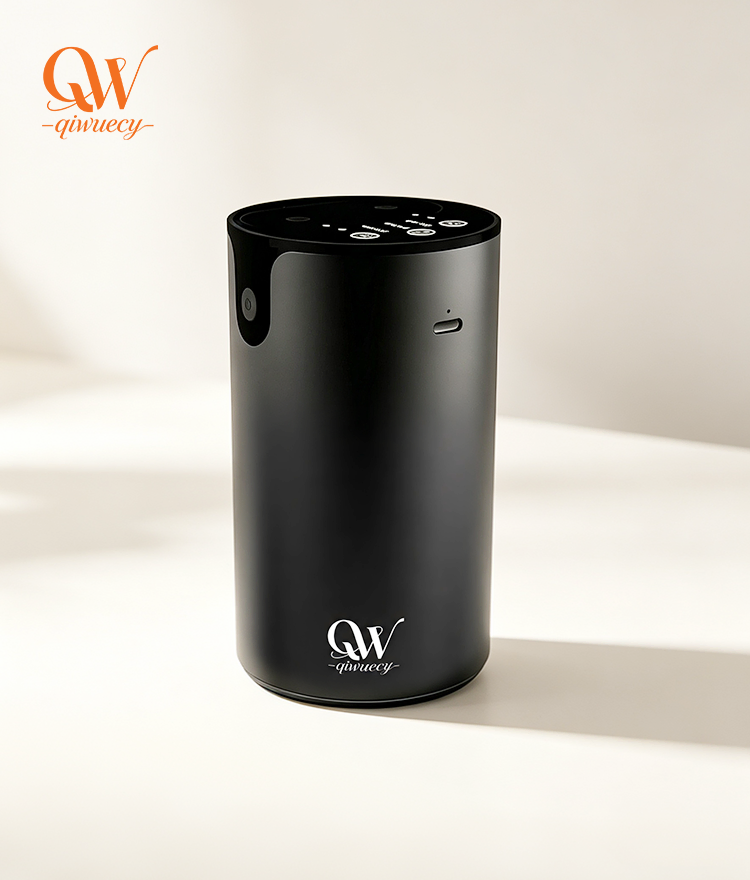
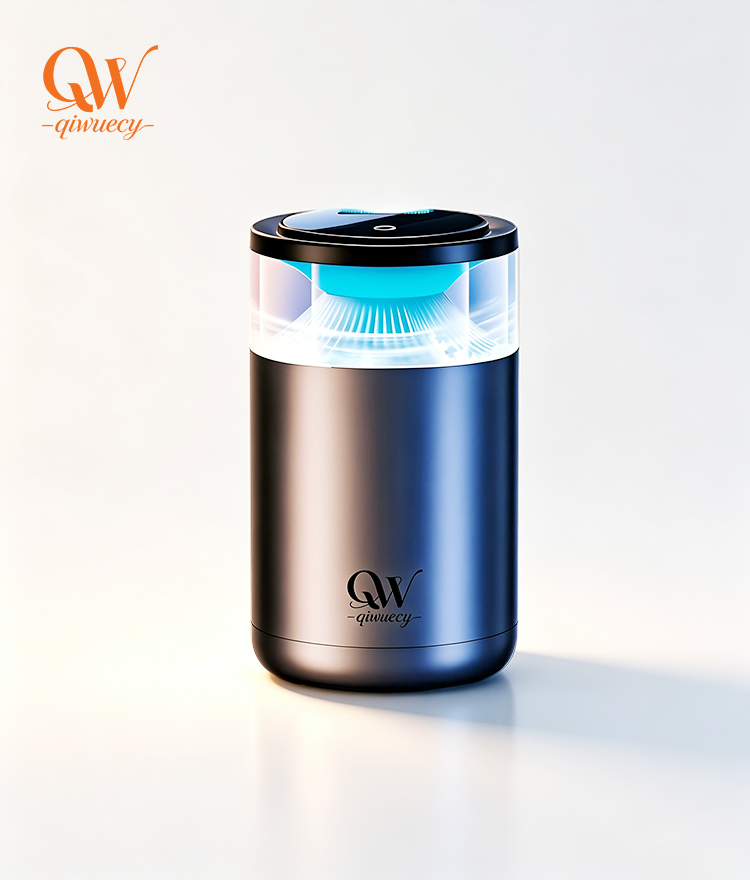
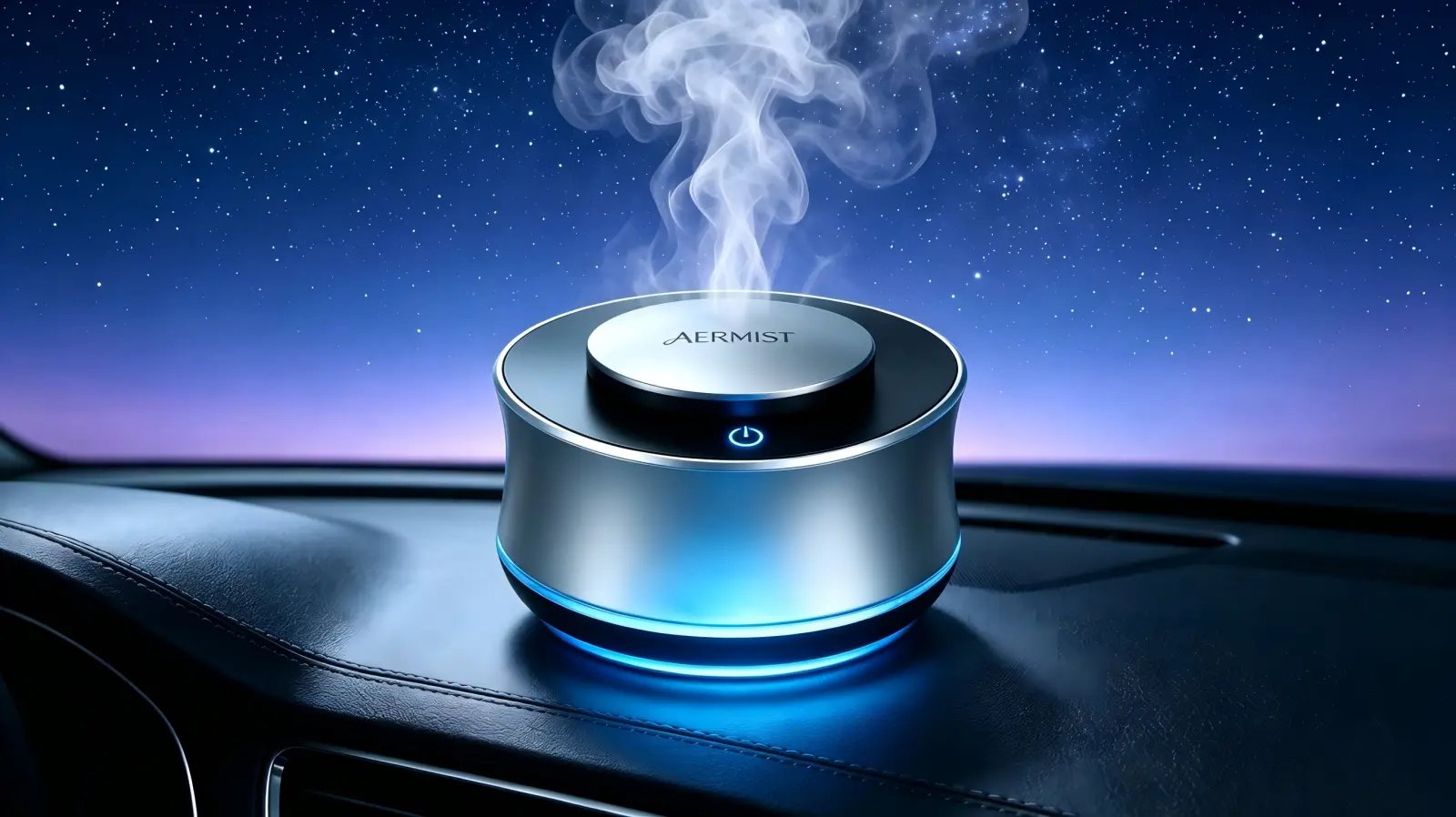
Waterless aroma diffusers use innovative twin-fluid nebulisation, pressurising ambient air to produce a venturi effect that draws pure essential oils via micro-channels. The compressed air breaks down oil molecules into particles smaller than 5 microns, creating an undetectable dry mist that disperses immediately without leaving any residue on leather seats, electronic displays or glass surfaces. One such innovation is Qiwuecy’s QW30 model, which uses a Compressed Air System to create fine atomisation with greater oil efficiency than water-diluted systems. It runs on only 5W of electricity using a DC5V/1A input and is whisper-quiet at under 35dB. It will release the same amount of scent no matter which timer you specify (1, 3 or 6 hours).
Key Specifications for Professional Applications
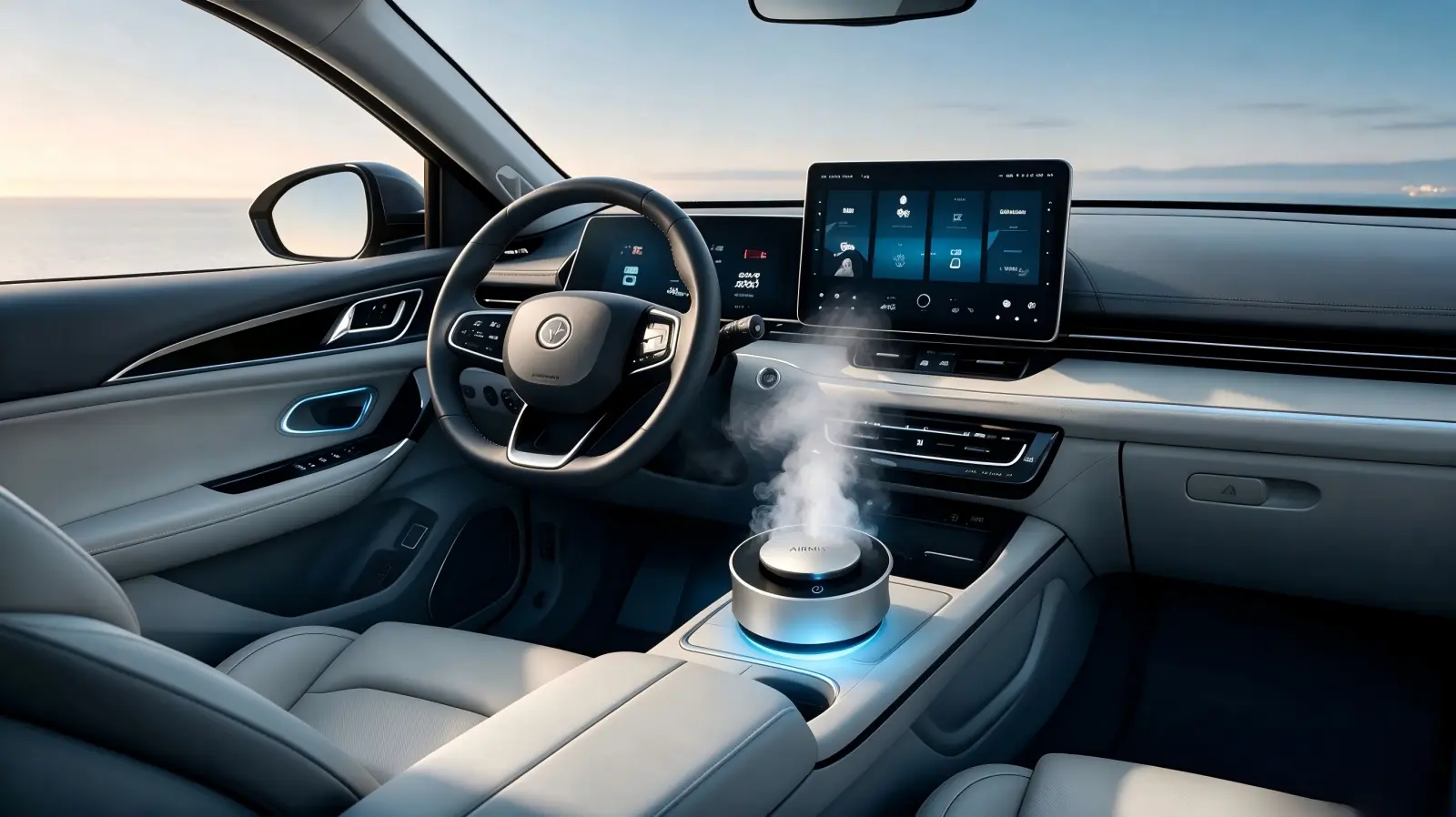
Automotive grade standards are very important when assessing waterless diffusers for B2B purchasing. It’s tiny, measuring 75×154mm and weighing in around 350-600g depending on configuration, and can be mounted in a cup holder or on the dashboard without blocking the driver’s view. Made of sturdy PP, PC and aluminium alloy, it can endure temperatures between -20°C and 80°C, which is a crucial feature for cars parked in harsh climates. The 2000mAh battery capacity permits long-term independent work, and the 10-20ml essential oil bottle capacity provides versatility between regular changing of fragrance and long-term usage. These technological features solve typical pain points encountered by 4S dealerships and modification shops in terms of installation compatibility and seasonal performance dependability.
Dual-Mode Versatility Enhances Market Appeal
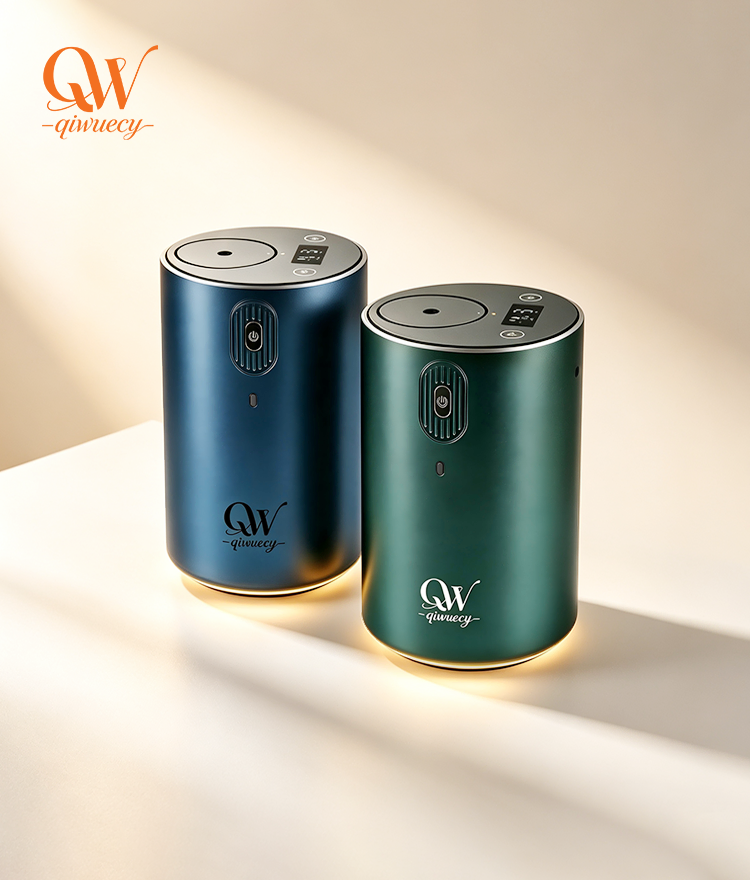
Modern waterless diffusers, equipped with adaptive mode switching, help fill the gap between automobile and residential usage. The QW30 is able to function smoothly in Home and Car modes, automatically altering atomisation intervals to suit environmental requirements for a Car Aroma Diffuser. That duality appeals to e-commerce companies trying to reach customers who use it for many purposes, and fleet managers who want to standardise their equipment between the office and the car. Three ambient light colours are added, providing visual customisation without sacrificing fundamental functionality – especially useful for premium chauffeur services looking to create unique brand experiences. This flexibility enables a wider range of order amounts, as procurement teams may combine providers instead of buying distinct devices for various settings.
The Core Benefits of Using Waterless Aroma Diffusers in Cars
Superior Fragrance Quality and Longevity
Waterless nebulisation maintains the molecular integrity of essential oils, offering therapeutic-grade aromas with uncompromising power. Unlike oils that are watered down or broken down with heat, their natural characteristics (soothing lavender for long-haul truckers or energising citrus for morning commuters) are kept intact for the whole duration of the diffusion cycle. The QW30 Compressed Air System guarantees a uniform diffusion of fragrance, avoiding the patchy aroma zones of passive wick diffusers. Independent testing validates that waterless units provide steady fragrance production for 4-6 hours each session, against standard hanging air fresheners that fade after 30-45 minutes. The prolonged performance means the fleet manager caring for hundreds of cars has to change the filter less often, meaning the total cost of ownership is lower.
Eliminating Moisture-Related Vehicle Damage
Traditional ultrasonic diffusers contribute undesired humidity to confined cabin environments, which may fog windows, damage electronics, and cause premature leather degradation. Waterless technology dispenses only oil microparticles that evaporate without accumulating moisture; therefore, these dangers are fully avoided. This benefit is important in the context of luxury automobile interiors, where material quality and electronics integration are major expenses. Moisture damage concerns are often blamed for high return rates, and aftermarket accessory companies know this. Waterless diffusers immediately cure this pain point, saving seller reputations and reverse shipping expenses. The 360-degree tilt leak-proof certification standard guarantees that there will be no oil spills even during severe driving manoeuvres, fulfilling the anti-vibration criteria needed for automotive-grade certification.
Reduced Maintenance and Operational Simplicity
Waterless diffusers inhibit the development of germs and mould that occurs in water reservoirs, and reduce the need for periodic cleaning cycles that stress fleet management. The QW30 is very low maintenance: Deep clean once a week. After the essential oil in the glass container is fully consumed, add a few drops of alcohol and let the diffuser spray for about 10 minutes to complete the cleaning process. This simplicity means cheaper labour costs for commercial operators and more uptime for equipment. Auto accessories sold by Amazon FBA sellers benefit from fewer customer support enquiries about cleaning techniques or hygiene issues, which directly impacts satisfaction metrics that affect Amazon FBA ratings. This gadget also has a 2-year warranty, showing the manufacturer’s trust in dependability to meet procurement decision-makers’ needs for long-term performance assurances.
All these benefits together make waterless scent diffusers smart investments rather than just commodity additions. Procurement experts know that products that remove frequent failure modes while boosting the user experience are worth a premium unit price, especially when supplier partners such as qiwuecy provide full OEM customisation options to enable brand differentiation initiatives.
Comparing Waterless Aroma Diffusers with Traditional Car Diffusers
Diffusion Mechanism and Scent Purity
Water ultrasonic diffusers vibrate the water molecules at a high frequency to produce a visual mist of diluted essential oils suspended in the water. However, this procedure is visually attractive, but it decreases the aromatic content and deposits the mineral residue of tap water on the surfaces. Passive wick diffusers absorb fragrance oils that simply evaporate, but do not regulate dispersion, resulting in uneven aroma dispersal. The QW30 is a waterless nebuliser that atomises pure oils by mechanical compression without additives or carriers, generating nano-scale particles that stay airborne longer and permeate the cabin areas for a car waterless aroma diffuser gift. This basic distinction is why automotive aftermarket chains are specifying waterless technology in growing numbers for co-branded car delivery gifts--premium positioning goes with luxury buying experiences.
Impact on Interior Environment and Safety
Water-based diffusion introduces humidity to car interiors, which causes a risk of reduced visibility due to condensation on windscreens during temperature changes. Waterless options provide a dry interior and remove the possibility of bacterial colonisation associated with standing water. Materials safety also varies considerably: flame-retardant materials reaching UL94 V-0 criteria in waterless devices are compliant with strict automobile fire safety regulations, which water-reservoir units seldom meet. According to the report, such certificates are a top priority for regional resellers servicing North American and European markets as they lower liability risk and simplify cross-border distribution logistics when it comes to procurement assessments.
Cost-Performance Analysis for Volume Buyers
From an environmental and reusable perspective, in the long run, using a waterless device is more cost-effective. OEM customers are excited about the 30-50% premium they can charge for special smell compositions combined with automotive-grade diffusers, converting accessories from low-margin promotional products into revenue-generating brand assets.
How to Choose the Best Waterless Aroma Diffuser for Automotive Procurement
Evaluating Supplier Manufacturing Capabilities
Supplier infrastructure to ensure consistent quality and scalable manufacturing is critical for procurement success. To prevent particle contamination that might affect atomisation accuracy, manufacturers, such as Qiwuecy with its 3,000㎡ clean workshop, maintain dust-free assembly facilities. Automated production capacity is similarly important – providers running 100+ automated machines show they can manage surge demand in high seasons without compromising on quality. When selecting prospective partners, ask for daily atomisation core production capacity documents; reputable vendors can produce 2 million cores per day, a sign of advanced supply chain integration. Investing in exclusive research and development is an indication that a collaboration may be sustainable for the long-term – Qiwuecy’s 114 technical patents and 14+ years of atomising knowledge guarantee that product evolution will meet market needs.
Certification Requirements Across Target Markets
“The regional compliance standards have a huge influence on supplier selection. North American customers are required to check FCC electromagnetic compatibility and UL electrical safety certificates prior to shipping in containers. CE certification is needed for European markets, indicating compliance with health, safety and environmental requirements. We are seeing more and more Middle Eastern clients asking for GCC standardisation organization approvals for customs clearance. Automotive grade applications also need ISO9001 quality management and GMP production certifications that show process consistency in addition to regional standards. Market access is eased by vendor certification packages and buyers’ due diligence requirements cut by test reports for temperature resistance (-20°C to 80°C), vibration immunity (MIL-STD-810G), and material flammability (UL94 V-0). The QW30’s alignment and conformity with international standards is a good example of how alignment of specifications speeds up procurement timelines.
Customization Depth and Intellectual Property Protection
OEM customers want vendors that can provide proprietary smell compositions under non-disclosure agreements covering the unique fragrance profiles. Premium suppliers vary from commodity producers in their capacity to create specific Essential Oil Blends that coincide with the brand’s identity, whether it be oud-infused blends for Middle Eastern luxury markets, or light citrus for Southeast Asian conditions. Physical customisations are just as important: laser-engraving brand logos on aluminium alloy housings, private-mold exterior designs, and color-matching car interior palettes all add up to a seamless brand experience. These needs are addressed by Qiwuecy’s full-service OEM/ODM capabilities, while maintaining the uniqueness of vehicle model fitting data that is essential to dealership relationships. “Procurement managers must have clear terms of IP ownership during early sampling phases (300-800 units) before moving to mass production runs of 2,000-8,000 units.
After-Sales Support Infrastructure
The automobile accessory industry has significant return rates, but strong support systems alleviate this. Suppliers should give specific installation instructions for different mounting options (cup holder insertion, magnetic dashboard attachment, air vent clips) to avoid installation mismatch complaints for the Car Waterless Aroma Diffuser. E-commerce merchants that are figuring out overseas logistics are assisted by multilingual support staff who know Amazon FBA procedures. The warranty terms are indicative of the manufacturer’s confidence. The QW30 has a 2-year warranty, which is beyond the industry norm of 6-12 months and speaks directly to procurement concerns of long-term dependability. Fast dispatch allows for quick reactions to market swings, especially for sellers with seasonal demand surges and no excess storage capacity, using current stock (not only made-to-order).
Future Trends and Innovations in Car Waterless Aroma Diffusers
Smart Integration and IoT Connectivity
Emerging diffuser models incorporate Bluetooth connectivity, enabling smartphone-controlled scent scheduling synchronized with calendar events or navigation routes. Imagine fleet vehicles automatically activating energizing scents during morning pickups and transitioning to calming fragrances for evening returns—programmed entirely through centralized management apps. Voice assistant integration with systems like Amazon Alexa or Google Assistant allows hands-free operation, meeting distracted driving regulations. Advanced models employ air quality sensors triggering automatic diffusion when detecting smoke, food odors, or volatile organic compounds, transforming passive accessories into active cabin environment management systems. These innovations align with automotive industry digitalization trends, positioning scent delivery as integral to connected vehicle ecosystems rather than afterthought accessories.
Sustainable Materials and Circular Economy Alignment
Corporate sustainability mandates increasingly influence procurement specifications. Next-generation waterless diffusers utilize recycled ocean plastics for housings, biodegradable essential oil cartridges, and modular designs enabling component-level repair rather than full-unit replacement. Manufacturers adopting closed-loop production systems—recovering aluminum alloy scrap for remanufacturing—appeal to procurement teams tracking scope 3 emissions. Refillable essential oil systems using standardized 10ml or 20ml bottles reduce single-use packaging waste, particularly important for fleet operators managing hundreds of devices. Suppliers demonstrating environmental stewardship through certifications like ISO14001 environmental management systems gain competitive advantages as corporate buyers integrate ESG criteria into vendor scorecards.
Market Growth and Strategic Partnership Opportunities
Global automotive aroma diffuser markets project compound annual growth rates exceeding 8% through 2030, driven by rising vehicle ownership in emerging economies and premiumization trends in mature markets. This expansion creates opportunities for strategic collaborations between diffuser manufacturers and automotive OEMs embedding scent systems during vehicle assembly rather than aftermarket installation. Co-development projects between brands like Qiwuecy and tier-1 automotive suppliers could yield integrated solutions where diffusers interface directly with HVAC systems, leveraging existing air circulation for enhanced dispersion. B2B buyers positioned early in these partnerships gain first-mover advantages in nascent markets, while suppliers willing to invest in automotive certification processes access higher-margin channels previously dominated by established interior component manufacturers.
Conclusion
Waterless aroma diffusers represent a paradigm shift in automotive scent solutions, addressing critical shortcomings of traditional technologies through advanced nebulization, moisture-free operation, and automotive-grade durability. The benefits extend beyond superior fragrance quality to encompass vehicle interior protection, reduced maintenance burdens, and alignment with sustainability imperatives shaping modern procurement decisions. Devices like the QW30 demonstrate how technical innovation—compressed air atomization, dual-mode versatility, robust construction—translates into tangible value for diverse buyer segments from luxury dealerships to e-commerce retailers. As market demand accelerates and smart integration technologies mature, strategic supplier partnerships become essential for brands seeking differentiation in competitive automotive accessories landscapes.
FAQ
1. What makes waterless diffusers better than traditional options for automotive use?
Waterless nebulizers eliminate moisture-related damage risks, including windshield fogging, electronic corrosion, and leather deterioration, while delivering higher aromatic potency through pure essential oil atomization. The absence of water reservoirs prevents bacterial and mold colonization, reducing maintenance requirements and health concerns critical for commercial fleet applications.
2. How long does the fragrance last per refill cycle?
The QW30's 10-20ml oil capacity combined with efficient Compressed Air System atomization provides 20-40 hours of cumulative operation depending on timer settings (1H/3H/6H modes). Nano-scale particle dispersion ensures scent persistence beyond active diffusion periods, maintaining pleasant cabin environments between sessions.
3. Can these diffusers withstand extreme automotive conditions?
Automotive-grade waterless diffusers like the QW30 operate reliably across -20°C to 80°C temperature ranges and incorporate anti-vibration designs meeting MIL-STD-810G standards. Aluminum alloy housings and 360-degree leak-proof seals ensure durability during aggressive driving and parking in direct sunlight without thermal runaway risks.
4. Are natural essential oils safe for drivers with allergies?
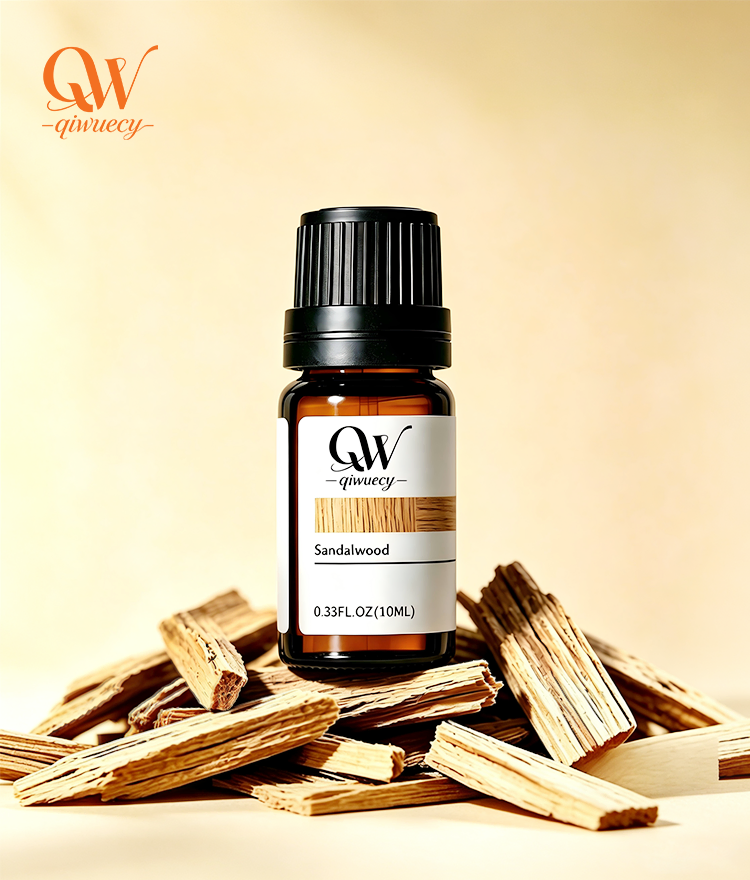
Pure essential oils eliminate synthetic fragrance allergens common in petroleum-based air fresheners. However, individual sensitivities vary—procurement teams should offer multiple scent options allowing users to select hypoallergenic profiles like chamomile or sandalwood while avoiding common irritants.
Partner with Qiwuecy for Premium Automotive Scent Solutions
Businesses seeking reliable Car Waterless Aroma Diffuser suppliers will find Qiwuecy's 14+ years of atomization expertise uniquely valuable for automotive accessory lines and fleet deployments. Our integrated manufacturing system—from proprietary mold making to ISO9001-certified assembly in dust-free workshops—guarantees consistent quality across bulk orders of 1,000+ units with fast dispatch capabilities supporting Amazon FBA logistics. The QW30 model exemplifies our commitment to automotive-grade performance through Compressed Air System technology, dual Home/Car modes, and comprehensive certification portfolios including CE, FCC, and RoHS compliance. Complete OEM/ODM customization services enable exclusive scent formulation development, brand logo laser engraving, and co-branded packaging meeting 4S dealership premium standards. Contact our procurement specialists at marketing@qiwuecy.com to request technical specifications, sample units for testing, and volume pricing tailored to your market requirements. Discover how qiwuecy's 114 patents and 2-million-core daily production capacity position your brand at the forefront of automotive scent innovation.
References
1. Anderson, M. & Chen, L. (2022). Automotive Interior Air Quality Management: Technologies and Health Implications. Journal of Vehicular Environmental Systems, 18(3), 234-251.
2. European Automotive Suppliers Association. (2023). Technical Standards for Aftermarket Accessories: Certification Requirements Across EU Markets. Brussels: EASA Publications.
3. Patel, R. (2021). Nebulization Technology in Consumer Applications: From Medical Devices to Lifestyle Products. International Review of Applied Engineering, 12(4), 112-128.
4. Thompson, J. & Rodriguez, S. (2023). Fleet Management Best Practices: Enhancing Driver Experience Through Environmental Controls. New York: Commercial Vehicle Press.
5. Williams, K. (2022). Essential Oil Chemistry and Aromatherapy Applications in Confined Spaces. Journal of Natural Product Research, 29(7), 892-909.
6. Global Automotive Accessories Market Analysis. (2024). Regional Procurement Trends and Technology Adoption Patterns 2020-2030. London: Strategic Market Insights Group.
Online Message