Aug 3, 2026
Spring Essential Oil Blends: Recipes that Refresh
Spring Essential Oil Blend is a carefully crafted combination of pure plant extracts that captures the invigorating scent of nature’s regeneration season. These therapeutic-grade blends usually include rose, citrus, and herbaceous notes, providing fresh vigour and pleasant energy. These mixes provide a point of difference for B2B procurement executives overseeing hospitality fragrance programs, wellness product lines, or corporate gift collections, beyond traditional air fresheners. They tackle seasonal transition weariness and provide very memorable marketing encounters in commercial locations. It is vital to have a working knowledge of formulation chemistry, application adaptability, and compliance requirements to maximise both therapeutic effectiveness and commercial positioning.
Understanding Spring Essential Oil Blends and Their Benefits
What Defines a Quality Spring Blend
Spring scent oil compositions are characterised by meticulous selection and extraction of botanicals. Quality formulations are founded on the preservation of natural active plant nutrients by means of cold-pressing and steam distillation and include no alcohol, synthetic scents or chemical diluents. The resultant profiles are a mix of top notes (usually citrus for that initial freshness), middle notes like rose that provide an emotional warmth, and base notes that give long-lasting solidity. This layering offers an olfactory richness that synthetic substitutes can't match.
B2B markets that focus on luxury hotels and wellness are especially attracted to spring mixes of rose. Rose absolute includes approximately 300 aromatic chemicals, including geraniol and citronellol. Research shows that when used at the correct dilutions, these compounds may help to enhance mental balance and skin health. The multimodal smell profile is reformulation-free and works across diffuser aromatisation, body massage formulations and personal care applications.
Commercial Applications That Drive ROI
Floral mix diffuser oils are increasingly being used in hospitality spaces to generate unique smell identities. Hotels tell us that regular ambient scenting improves visitor satisfaction levels via subconscious links to comfort. These mixtures are used at spa facilities for lymphatic treatments and in aromatherapy sessions, where the anti-inflammatory characteristics of rose work in tandem with physical methods for seasonal cleansing. Yoga studios have shown that diffusing botanical blends before to courses helps participants to relax more and also increases class retention.
Corporate wellness initiatives provide a new category of procurement opportunity. Companies utilise commercial-grade nebulising diffusers in conference rooms and collaboration areas, relying on spring mixes to fight stagnant indoor air and promote mental clarity during long meetings. The return on investment is quantifiable in terms of fewer sick days and better measures of worker satisfaction.
Regulatory Compliance for B2B Buyers
Procurement teams must also consider FDA structure/function claim constraints and IFRA safety criteria when obtaining Spring Aroma Oil mixtures. Therapeutic products sold in the United States must be worded carefully so as not to be classified as unapproved medications. Good providers will have GC-MS analysis results to check chemical composition and purity levels as well as IFRA compliance documents to restrict sensitising chemicals.
For European markets, items applied to skin need to register with CPNP. Buyers should check that suppliers have batch traceability and can offer safety assessment reports. Organic certification from USDA or EU agencies adds value to buying, but costs 40-60% more than conventional-grade commodities. And for firms who place items in the natural wellness market, this premium is justifiable.
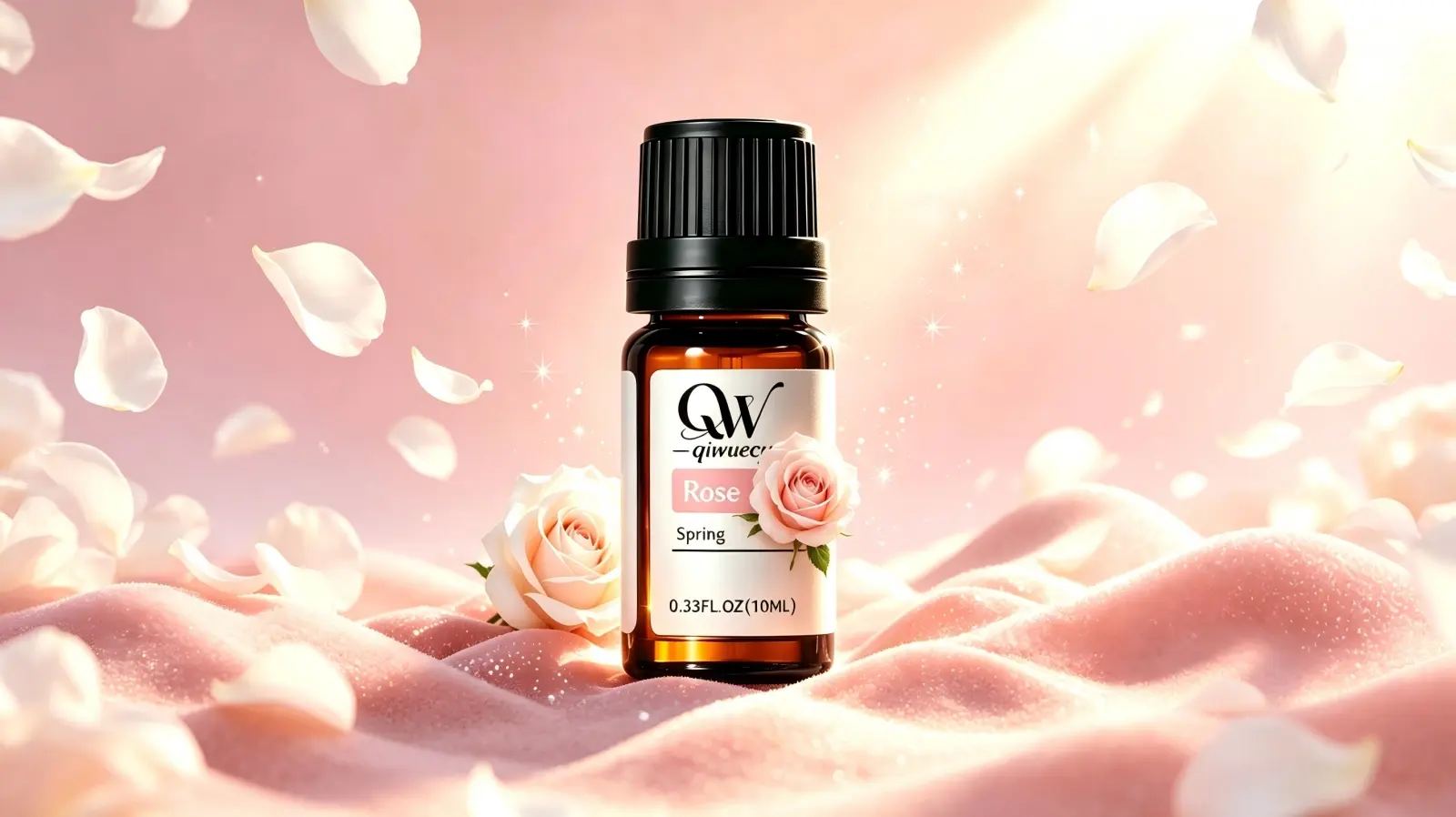
Popular Spring Essential Oil Blend Recipes and Their Applications
Rose-Forward Revitalization Formula
Understanding ratio accuracy and volatility rates is needed to produce a distinctive spring mix. The balanced revitalisation mix is made up of rose absolute (30%), bergamot FCF (25%), lavender (20%), geranium (15%), and sweet orange (10%). This blend has bright citrus notes that yield to floral softness, with herbaceous notes offering grounded solidity.
The formulation is effective for a range of commercial uses. In retail spaces, it is used with cold-air nebulisers to produce an uplifting ambiance, which research correlates with greater browsing time. Diluted to 2-3% in fractionated coconut oil. Supports spa massage regimens for seasonal skin congestion. It boosts the formulation of body lotions and creams at 5-10% in natural emulsifiers, keeping in mind the spring product launch cycle.
Customization Strategies for Different Markets
Formulation flexibility is essential for B2B customers with various geographic markets. North American purchasers want transparency and organic certification, and are generally willing to pay a premium for USDA-certified goods. Japanese and Korean markets need refined smell profiles with a very low allergy risk, including heavy metal screening and stability testing under temperature variation.
In the Middle East, procurement is quite different, with rose-oud mixes blending traditional ingredients and modern freshness. “Consumers in Southeast Asia are looking for affordable concentrated formulas with multi-function claims. Successful suppliers keep ingredient inventories, enabling fast customisation that reduces costs, such as switching rose otto for absolute or using chamomile for hypoallergenic options to cater to sensitive wellness populations.
Application-Specific Formulation Adjustments
Space scenting applications need optimisation of viscosity and volatility. The ultrasonic diffuser formulations are maintained at a lower viscosity (about 0.9 cP) to avoid atomisation clogging, whereas high-pressure cold-air systems are capable of handling thicker mixes. Coverage estimates are crucial for procurement choices; a 2,000 sq ft hotel lobby demands different concentration levels than a 300 sq ft treatment room.
Candle craft and soap making are developing sectors of the DIY marketplace. For these uses, flash point consideration and pH stability are important for essential oil mixtures. Those who provide technical specification sheets allow the procurement teams to align the items with the manufacturing processes, decreasing formulation failures and production waste. Its capacity versatility, ranging from 5ml sample sizes to 100ml bulk bottles, accommodates both early testing and expanded production runs.
How to Choose the Best Spring Essential Oil Blends for Your Business
Evaluating Supplier Credentials and Quality Markers
Supplier selection is a key determinant for product consistency and compliance risk management. The major producers are ISO9001 and GMP certified, which means systematic quality control is taken. The most trustworthy partners provide batch-specific documentation of organoleptic assessment reports, specific gravity data (usually 0.850-0.920 for spring blends) and refractive index data (1.450-1.490 at 20°C).
Some advanced providers provide unique atomisation compatibility testing. Over 14+ years of experience atomising core R&D, we’ve learned that matching oil formulas to certain diffuser technologies—cotton wick, ceramic heating or ultrasonic atomization—prevents device failure and preserves aroma integrity for Floral Blend Diffuser Oil. Suppliers with in-house R&D capability possessing 114+ technical patents may solve application issues that commodities brokers cannot solve.
Pricing Structures and Volume Economics
The price of spring Essential Oil Blends varies wildly depending on where the ingredients are sourced and the level of certification. We support customized formula quotations. Pricing is based on factors such as the source origin of the fragrances, the essential oil production process, and the blend ratio, and is tailored to each client's specific needs.
Matching Blend Characteristics to Business Models
Direct-to-consumer companies need formulas that focus on smell appeal and clean-label positioning. Alcohol-free and synthetic fragrance-free formulations may be marketed to health-conscious customers. Customisation of packaging is important – unique bottle designs, informative labelling and branded inserts all contribute to unpacking experiences that spur social media interaction and encourage repeat purchases.
Corporate gift sourcing focuses on appearance and speed of delivery. Suppliers who can provide 15-20 day delivery on customised orders that include holiday-themed packaging and corporate brand integration address seasonal urgency concerns. Small first runs (100-300 bottles) enable you to assess recipient reaction before committing to greater quantities. Space fragrance solution providers want vendors who provide long-term stability agreements and give space coverage statistics for various diffusion methods and room sizes.
Procurement and Buying Guide: How to Source Spring Essential Oil Blends
Identifying Reliable Wholesale Channels
B2B sourcing begins with supplier verification through multiple validation layers. Trade show participation at events like Cosmoprof and Natural Products Expo provides direct manufacturer assessment. Online platforms like Alibaba offer broad supplier access but require enhanced due diligence—examining business licenses, requesting third-party audit reports, and conducting small test orders before volume commitments.
Direct manufacturer relationships offer the greatest supply chain control. Facilities with 100+ automated production machines and 3,000㎡ dust-free workshops demonstrate serious manufacturing capability rather than trading operations. Daily production capacity metrics matter—suppliers producing 2 million atomizing cores daily can support scaling brands without allocation shortages during peak seasons. Integrated capabilities including proprietary mold making and injection molding indicate vertical integration reducing dependency risks.
Import Compliance and Logistics Management
International procurement requires navigating customs regulations and shipping constraints. Essential oils containing high citrus content face flash point restrictions in air freight, necessitating ground transport or specialized hazmat certifications. Proper documentation—including country-of-origin certificates, phytosanitary certificates for botanical materials, and safety data sheets—prevents customs delays.
Seasonal pricing fluctuations affect procurement timing. Rose absolute prices peak during harvest seasons (May-June) when distilleries prioritize fresh material processing for Spring Essential Oil Blend. Strategic buyers lock pricing through forward contracts or maintain inventory buffers. Minimum order quantities typically start at 500-1,500 bottles for wholesale pricing, though OEM development projects accept lower minimums (200-500 bottles) during formulation sampling phases. Warranty policies should cover oxidation issues and batch variance within specified shelf life periods.
Enhancing Your Product Offering with Custom Spring Essential Oil Blend Solutions
The Exclusive Formulation Development Process
Custom formulation turns regular product lines into unique market offers. The development process starts with olfactory profiling workshops, when perfumers convert a brand’s identity into the language of fragrance. A boutique hotel chain could ask for “Mediterranean spring garden at dawn”—leading to compositions that balance rose, lavender and citrus with green herbal notes suggestive of dew-covered greenery.
Refinement normally involves 3-5 rounds for wholesale customisation and 5-7 rounds for unique brand creation. Here, the process is repeated with blind tests on samples from the target population, gaining input on fragrance strength, perception of character, and emotional reaction. Chemical changes follow, raising geraniol concentration for flowery presence, balancing linalool for soothing effects, or changing monoterpene ratios for antibacterial capabilities. Formulation NDAs protect intellectual property and transfer agreements specify ownership rights.
Scaling From Prototype to Production
Stability validation is required to get from authorised samples to commercial production. Temperature stress testing guarantees that compositions can survive transit and storage in different temperature zones. Accelerated ageing experiments use high temperature exposure and measure oxidation indicators and colour stability to estimate shelf life. Microbial challenge testing is used to validate the efficiency of the preservation method in formulations including water-based compounds.
Manufacturing needs flexibility to scale up production. Suppliers that provide batch sizes of 1,000 to 5,000 bottles may support developing brands without requiring huge inventory volumes. Package line integration is key - bottle filling, labelling, inserts, gift box assembly, etc. The most proficient partners can provide complete customisation, from bottle design and label artwork to smell strip creation for retail sample programs. These end-to-end services lessen the coordination complexity for procurement teams with many vendor connections.
Strategic Partnership Benefits
The benefits of long-term supplier partnerships multiply. Preferred customer status means priority allocation during times of high demand and access to limited botanical harvests. Through collaborative R&D, you may co-develop unique delivery methods – encapsulated oils for longer diffusion, water-soluble formulas for humidifier compatibility, or solid balm forms for travel-friendly aromatherapy.
Sharing of performance data is mutually beneficial. “Consumer feedback that brands give to suppliers to help them improve future formulations is scent preferences and repurchase patterns. Suppliers with market knowledge on new ingredients and regulatory changes may help businesses stay ahead of the curve. This symbiotic interaction creates competitive moats that guard against commoditisation pressures in crowded wellness sectors.
Conclusion
Spring essential oil blends provide B2B buyers with flexible options for product differentiation and customer experience improvement. To be successful, a balance must be struck between the quality of the product and practical issues such as regulatory compliance, reliable supply chains, and performance for particular applications. Rose-centric compositions provide the fresh energy that today's customers are looking for, but possess enough complexity to warrant a premium position. Procurement professionals gain an edge by partnering with manufacturers that show technical expertise, quality certifications, and customisation capabilities—whether it’s deploying blends for hospitality ambient scenting, developing private-label wellness products, or creating memorable corporate gifts. As consumer desire continues to migrate to natural, botanically-derived products, strategic sourcing choices taken now will set the framework for ongoing market advantage.
FAQ
1. Can spring blends effectively address seasonal allergies in commercial settings?
While essential oils should not replace medical treatment, certain spring blend components like eucalyptus and peppermint contain compounds that may support respiratory comfort when diffused. Commercial applications focus on creating pleasant environments rather than making therapeutic claims. Proper ventilation and diffusion concentration (not exceeding manufacturer guidelines) ensure safety while providing ambient benefits.
2.. How do organic and conventional spring blends differ for product positioning?
Organic certification verifies botanical sources meet strict agricultural standards excluding synthetic pesticides and fertilizers. This appeals to health-conscious consumers willing to pay premium prices, supporting higher retail margins. Conventional-grade oils offer similar aromatic profiles at lower costs, suiting price-sensitive markets. Both require purity testing, though organic materials typically show lower pesticide residue levels in screening reports.
3. What methods verify bulk essential oil blend authenticity?
Gas Chromatography-Mass Spectrometry (GC-MS) analysis provides chemical fingerprinting confirming natural composition versus synthetic adulteration. Reputable suppliers provide batch-specific reports showing expected compound percentages. Physical testing including specific gravity, refractive index, and optical rotation offers additional verification. Requesting samples before bulk orders allows independent laboratory testing, protecting against counterfeit products in supply chains.
Discover Your Ideal Spring Essential Oil Blend Supplier at qiwuecy
qiwuecy specializes in professional-grade spring essential oil blend manufacturing, combining 14+ years of atomization expertise with comprehensive formulation services. Our 100% naturally extracted rose-based blends preserve active botanical nutrients while meeting rigorous FDA and IFRA compliance standards. We support B2B clients across hospitality, wellness, and retail sectors with flexible capacity options from 10ml to 100ml, accommodating both initial sampling and scaled production. Our ISO9001 and GMP-certified 3,000㎡ facility produces formulations suitable for diffuser aromatization, massage therapy, and personal care applications. With 114 technical patents and daily production capacity supporting global fragrance brands, Qiwuecy delivers the quality consistency and supply reliability your business requires. Contact our procurement team at marketing@qiwuecy.com to discuss custom formulation development, request samples, or explore wholesale pricing for your spring product launch.
References
1. Tisserand, Robert, and Rodney Young. Essential Oil Safety: A Guide for Health Care Professionals. Churchill Livingstone, 2014.
2. Rhind, Jennifer Peace. Essential Oils: A Handbook for Aromatherapy Practice. Singing Dragon, 2012.
3. Lawless, Julia. The Encyclopedia of Essential Oils: The Complete Guide to the Use of Aromatic Oils in Aromatherapy. Conari Press, 2013.
4. Battaglia, Salvatore. The Complete Guide to Aromatherapy Volume I: Foundations & Materia Medica. Black Pepper Creative, 2018.
5. Price, Shirley, and Len Price. Aromatherapy for Health Professionals. Churchill Livingstone, 2011.
6. Schnaubelt, Kurt. The Healing Intelligence of Essential Oils: The Science of Advanced Aromatherapy. Healing Arts Press, 2011.
Online Message
YOU MAY LIKE
High quality diffuser manufacturer
_1786327519938.webp)