Sep 15, 2026
Spring Essential Oil Blend: Top Blends and Benefits
The arrival of spring awakens nature and our desire for renewal. A Spring Essential Oil Blend captures this transformative energy through carefully selected botanical extracts that evoke freshness, vitality, and emotional balance. These professionally formulated compositions combine floral and herbaceous notes to replicate the olfactory signature of blooming gardens and morning dew. For B2B buyers, understanding the composition, applications, and sourcing strategies behind these blends unlocks opportunities in wellness product development, space scenting solutions, and seasonal marketing campaigns. This guide offers insights into formulation excellence, functional benefits, and procurement considerations that support commercial success across fragrance lifestyle brands, spa environments, and corporate gifting channels.
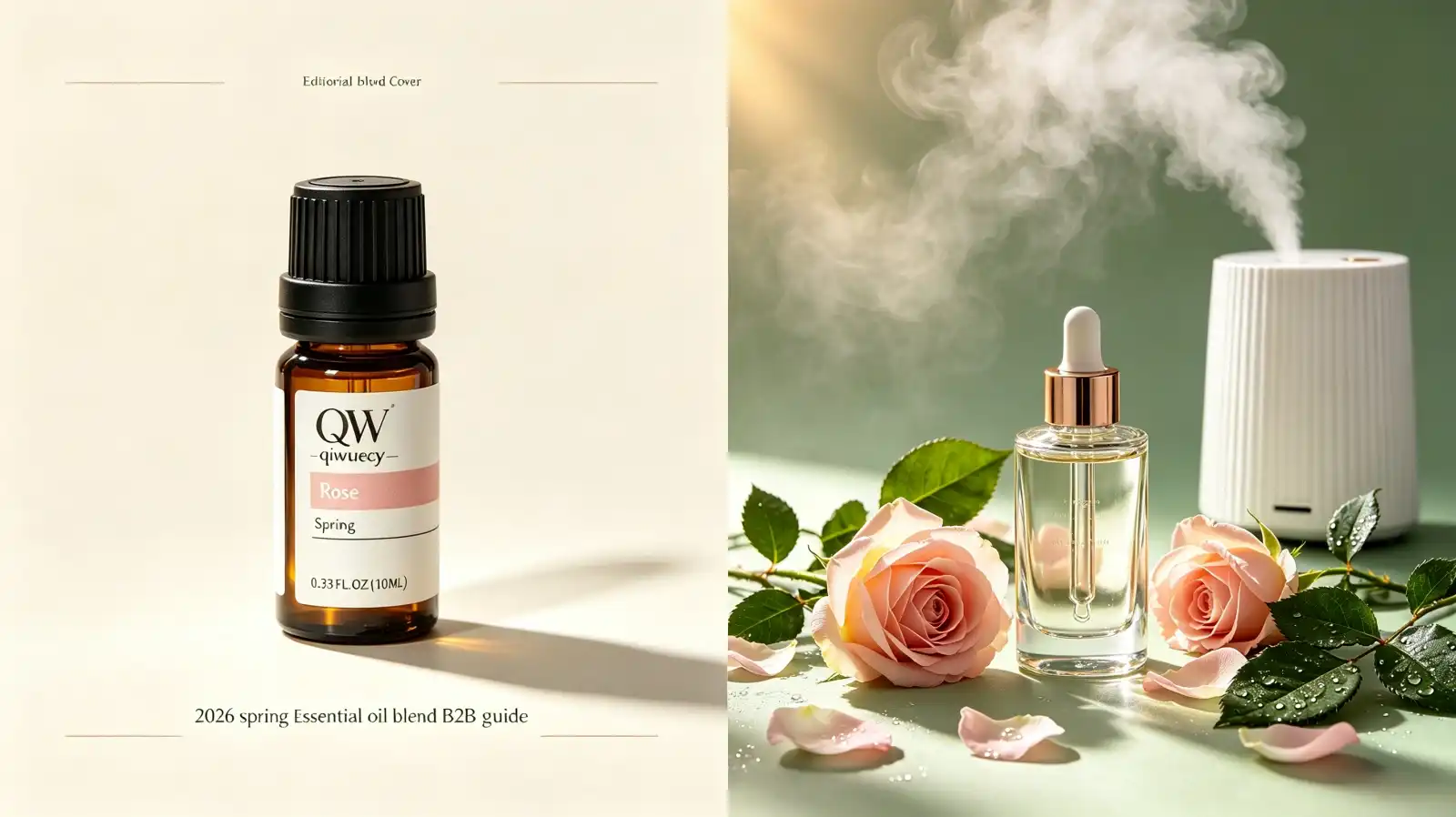
Understanding Spring Essential Oil Blends: Composition and Benefits
Some botanical blends with a spring theme stand out because of their uplifting scents and wide range of uses. In the fall and winter, profiles tend to focus on warm, grounding bases. In the spring, profiles focus on brightness and rebirth by carefully choosing which ingredients to use.
Core Botanical Components
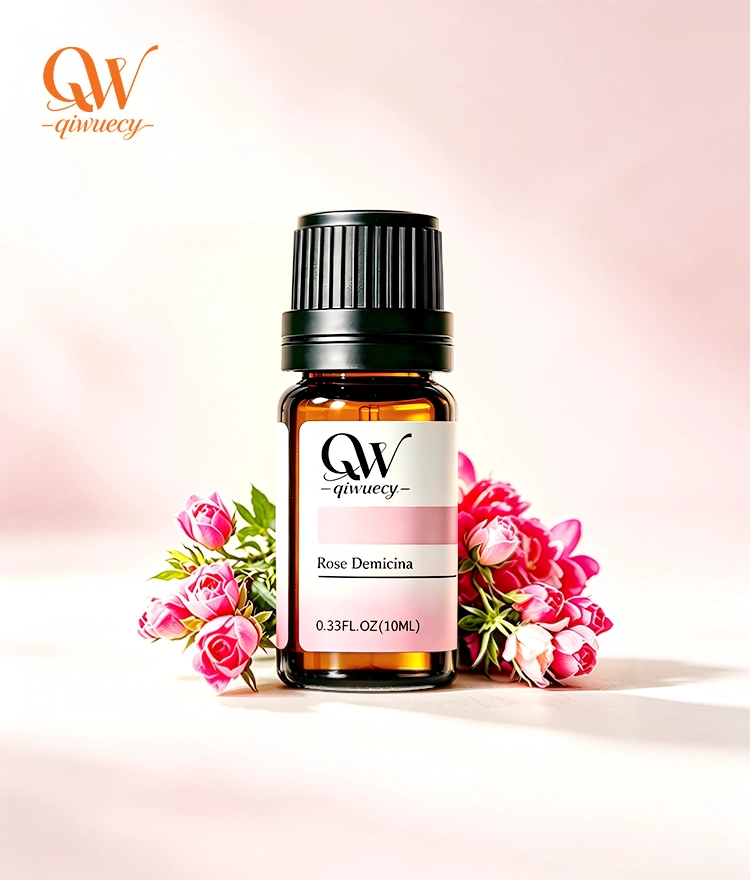
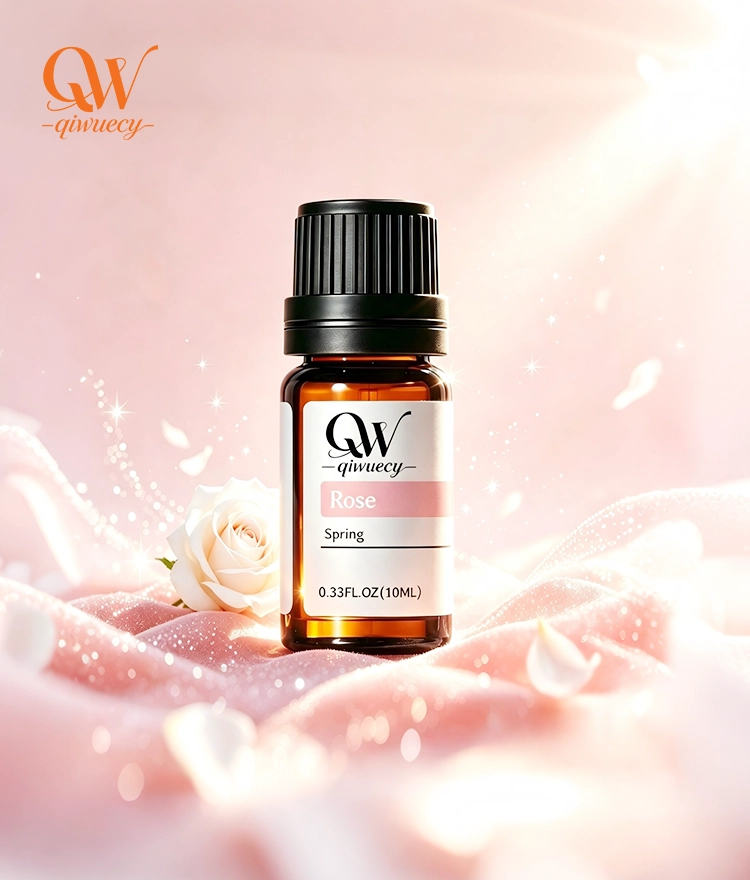
In a good spring blend, rose is usually one of the main ingredients that provides structure. Rose oil has a light floral scent that represents rebirth and contains natural chemicals that help keep your emotions in check. Some notes that go well together are lemon for its brightness, light herbs for their freshness, and soft green notes that remind you of new growth. When you mix these scents, you get layered scent experiences that change over time, leaving an impression that lasts.
Choosing between organic and standard raw materials has a direct effect on how a product is positioned. Organic plants are popular with brands that want to appeal to health-conscious customers, and they also meet FDA beauty rules and IFRA compliance standards. The purity of the extraction methods keeps the healing benefits of the plant's natural active nutrients. This makes alcohol- and fake fragrance-free formulations more useful in professional aromatherapy settings.
Functional Benefits for Commercial Applications
The benefits of Spring Essential Oil Blends go beyond their nice smells. When diffused in homes or businesses, these mixes help keep people's moods stable during seasonal changes, when changes in the weather and pollen levels can make it hard to stay emotionally stable. The naturally harvested chemicals work with olfactory sensors to help you feel calm, clear-headed, and full of life.
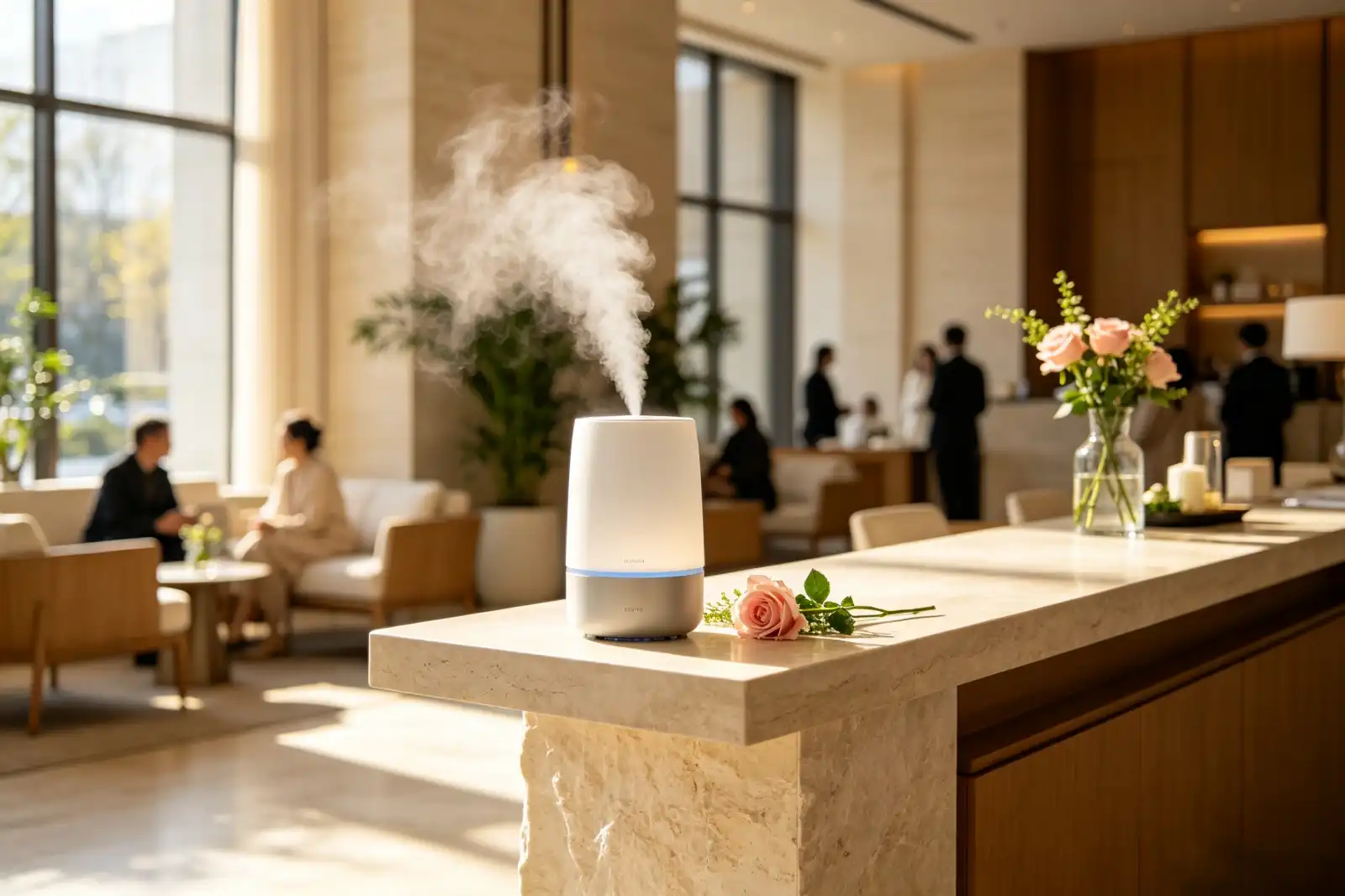
Hotels, spas, and yoga studios use these features to make environments that are more immersive and improve the experiences of their guests. Rose-centered blends can make waiting rooms, treatment rooms, and retail areas into memorable sensory touchpoints by adding a fragrant boost of life. Professional-grade formulas keep the scent's integrity when used in cold mist Diffusers, making sure that the smell stays the same without adding moisture to the air.
Safety and Regulatory Considerations
Compliance is still the most important thing for B2B buying. The safety standards for Vitality Rose Essential Oils must meet IFRA guidelines. These guidelines set dosage limits for certain chemicals to keep skin from becoming sensitive. Brands that want to sell in Europe need to be registered with the CPNP, and brands that want to sell in North America need to follow FDA structure-function claim standards. Suppliers who give recipe NDAs and compliance paperwork lower regulatory risk and speed up the time it takes to start a product.
Top Spring Essential Oil Blends in 2026 – Brands and Quality Comparison
To judge a supplier's skills, you have to look at things like the uniqueness of the formulation, the complexity of the scent layering, and the consistency of the batches. There are many choices on the market right now; each one fits a different type of buyer.
Established Wellness Brands
Aromatherapy brands with strong reputations keep them by using certified organic ingredients and being open about their supply chains. These brands usually have spring collections that are already put together and well-known to customers, so they are good for stores that want turnkey solutions. Their prices represent their high-end standing, and their wholesale prices are in line with the rules for organic certification and third-party tests.
White-Label and OEM Specialists
When manufacturers focus on private label services, they offer recipe freedom that helps brands stand out. One-on-one collaborations between these suppliers and perfumers allow them to create unique scents. Three to seven rounds of blind testing are used to improve the aromatic profiles. Because they are ready to sign formulation NDAs and supply access agreements, lifestyle brands looking for their own products find them to be a good partner.
A provider like Qiwuecy brings a lot of scientific knowledge to this area. They have more than 14 years of experience with atomization and 114 patents in the field of diffusion technology. Their ISO9001-certified, 3,000 factories don't make any dust, so the quality of their work is stable across all batch sizes, from 200-bottle testing runs to mass production cycles of 5,000 units. Formulation development and advanced atomization hardware are both skills that can be used together to make combined solutions for space scent uses.
Organic Versus Conventional Trade-Offs
The budget affects the choice of raw materials. Organic mixes cost more, but they're better for selling to health-conscious customers. If you buy conventional formulations from trusted sources that follow GMP standards, you can save money without sacrificing safety. Professionals in procurement have to balance limited budgets with how customers see things and the rules that apply to the areas they are targeting.
Functional Segmentation
Spring blends can be used for different things. Formulations that focus on relaxation use calming flowers and herbaceous notes that work well for massage oils and evening aromatherapy. Energizing versions have brighter top notes that help with morning routines and the atmosphere at work. Knowing these differences in function helps buying teams match goods to the needs of clients and the changing seasons.
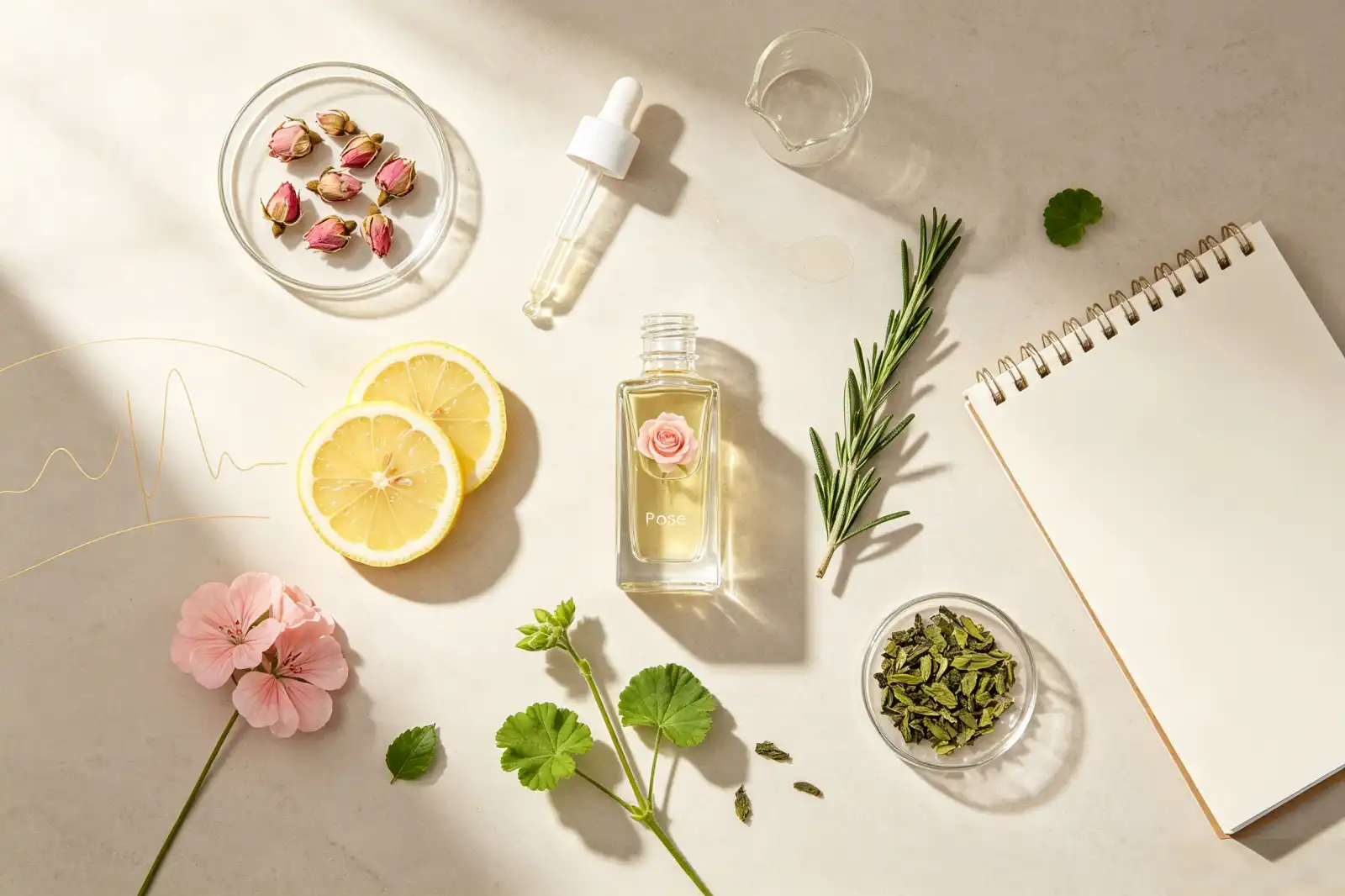
How to Use and Make Spring Essential Oil Blends: Practical Tips for Businesses
To successfully use plant blends, you need to know both how to apply them and how to make them in a way that can be scaled up.
Commercial Diffusion Strategies
In professional settings, cold mist diffusion technology is the best way to set up the system. This method of atomization without water spreads pure plant oils into tiny particles that float in the air without raising the humidity. The method keeps the integrity of the smell and gives exact control over the level of scent intensity in places as small as yoga classes and as big as hotel halls that are thousands of square feet.
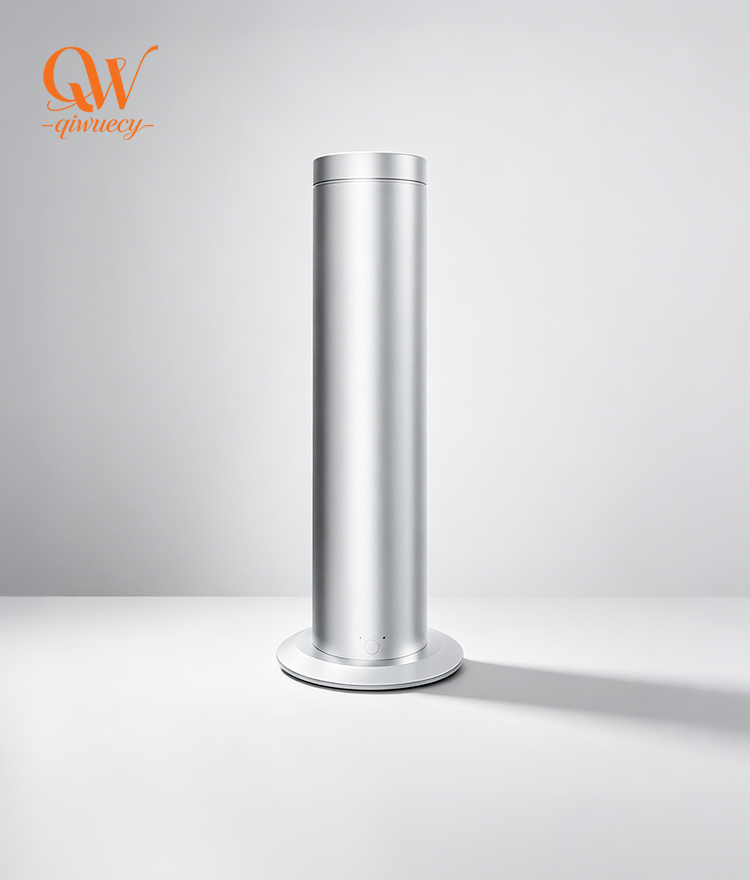
Picking diffusion equipment that works well together is important. Devices that use their own cotton wick and ceramic heating technologies keep their output steady over long periods of time. Space coverage data from manufacturers helps figure out where to put devices and how to best use aromatic zones. Long-term supply deals with Cold Mist Diffuser Rose Oil makers make sure that the diffusers can work with the blend thickness profiles that have been chosen. This keeps atomization problems from happening, which would lower the scent delivery.
Product Integration Techniques
When manufacturers add spring blends to personal care products, they need to think about how stable the products will be. When rose-based mixtures are mixed with carrier oils that can be used for massage treatment and skin care, the quality stays the same. When applied to the skin in the right amounts, the naturally extracted compounds calm nerves, kill bacteria, keep hormones in balance, and boost the immune system.
Candle and soap makers can use spring blends to make their products stand out during the spring season. Custom capacity choices from 5ml to 100ml can be used for both small-batch craft production and large-scale commercial production. Customizing the bottle design, labels, and display in the gift box, all as part of the packaging, makes it possible to tell a consistent brand story that works well for holiday gift markets and limited-edition launch strategies.
Scalable Blending Methods
Understanding quality control procedures is helpful for brands that want to come up with their own unique formulas. Finding high-quality plants from a single source is the first step in making batches that can be used again and again. GC-MS testing makes sure that the chemical composition stays the same, showing that key aromatic markers stay within a reasonable range across production lots. This level of analytical rigor stops differences between batches that hurt customer trust and resale rates.
Shelf-life management takes into account the risks of oxidation that come with plant oils. Putting products in amber glass and keeping them at temperatures below 20°C for 12 to 18 months usually keeps the best aromatic profiles. Contracts for buying things should spell out how to store them and when they go bad so that there is less waste and more product movement.
Procurement Guide: Sourcing Spring Essential Oil Blends for Your Business
Finding suppliers whose skills match your business's needs and growth path is the first step to efficient buying.
Evaluating Wholesale Suppliers
When evaluating a supplier, you should look at a number of signs of credibility. Portfolios of certifications that include organic standards, GMP compliance, and safety tests show that the business is mature. Customer reviews from similar B2B clients can help you figure out how reliable the delivery is and how responsive the service is during the formulation development stages. Sample testing before placing large orders confirms the quality of the scent and the stability of the formulation under the conditions of your application.
The economics of volume purchases reward smart planning. When you order between 500 and 1,500 bottles per batch, you can usually get good prices and keep your inventory low enough for seasonal marketing. When demand is high, like around the holidays or for Mother's Day, suppliers who offer in-stock delivery lower the risk of wait times.
Building Strategic Vendor Relationships
Long-term partnerships add value that goes beyond the price of a transaction. Suppliers who are willing to work together on exclusive formulation development give you a competitive edge that lets you charge more. Contract perfumer services that are tailored to your brand's needs to make sure that scent profiles match your brand's positioning in the market and the types of people who are likely to buy from you.
Formulation copyright deals protect investments in intellectual property. When you mix NDAs with formulation transfer paperwork, it's clear who owns what. This is especially important for lifestyle brands that are trying to create unique scent marks. Supply exclusivity clauses stop rivals from copying your formulation, which keeps your market edge over a period of years.
Logistics and Supply Chain Management
Shipping rules, import paperwork, and storage facilities become more complicated when you buy things from other countries. Essential oil classifications need to be properly labeled as dangerous and transported in a way that meets international shipping standards. Cross-border logistics experts can make these processes run more smoothly and make administrative work easier.
Climate-controlled storage keeps the quality of goods safe while they are being stored between production and sales. Changes in temperature speed up oxidation and change the profiles of aromas, so environmental controls are necessary to keep therapeutic-grade quality. Setting clear rules for receiving packages and quality inspection points at delivery stops shipments that aren't up to par, which could hurt the brand's reputation.
Addressing Procurement Pain Points
Managing formulation homogenization in busy markets and figuring out where the functional claim compliance boundaries are are two common problems that need to be solved. Unique scent layering creates olfactory signatures that stand out instead of generic floral notes, which makes them different. Working with perfumers who know about neuro-olfactory processes and how smell memories are formed makes formulations more complex.
When it comes to regulations, functional claims need to be carefully placed. Structure-function claims about improving mood and the atmosphere of a place are still allowed as long as they don't make direct therapeutic claims that would lead to drug classification. Suppliers who offer compliance guidance that is specific to FDA and EU cosmetics regulations reduce the risk of getting in trouble with the law and speed up market entry.
Conclusion
Businesses that want to use seasonal themes to their advantage can use Spring Essential Oil Blends to make massage products, space scenting services, and personal care products. Brands can be more successful in business if they understand composition principles, evaluate suppliers' skills, and use strategic buying practices. When rose-centered botanical profiles are combined with advanced cold mist diffusion technology, new products are made that are popular in health, retail, and the hotel industry. Regulatory compliance, formulation secrecy, and supply chain stability become important success factors that need careful relationship management and partner selection. Companies that put money into good formulas backed by technical know-how and consistent production will be able to take advantage of growing market opportunities in this area.
FAQ
1. What capacity options work best for different business models?
Volumes that can be changed from 10ml to 100ml can be used for a wide range of tasks. Smaller sizes work well for store sampling programs and travel-sized lines of products, while 50ml and 100ml sizes are best for spa services and hotel amenities that need to be cost-effective. When you buy in bulk and in larger amounts, you can get better prices.
2. How do I verify formulation quality before large orders?
Ask for samples that come with third-party test reports that confirm the natural methods used for extraction and the lack of synthetic additives. Run smell tests within your team and try out the blend in the place where you want to use it. Check the consistency of the color, the clarity of the aroma, and the lack of off-notes that could mean oxidation or contamination.
3. Can spring blends integrate with existing diffuser systems?
How well they work together depends on the diffuser atomization technology. Botanical blends work well with cold mist devices that are made for pure essential oils. Check the viscosity requirements with both the blend providers and the diffuser manufacturers to avoid problems like clogging or uneven output that hurt the delivery of aromatics.
Partner with Qiwuecy as Your Spring Essential Oil Blend Supplier
To find great plant formulations, you need a provider who is both an expert in aromatherapy and a master of making. Qiwuecy sells Spring Essential Oil Blends that are made from pure plants and keep the natural active ingredients by using chemical- and alcohol-free methods. Our rose-centered spring blends are certified by ISO9001 and GMP and can be used in diffusers, for do-it-yourself crafts, to scent the home, and to make personal care products. We offer complete solutions that combine high-quality oils with cutting-edge cold mist diffusion systems. We have 114 patents in atomization technology. Our daily capacity of 2 million units ensures a steady supply, whether you need 200-bottle sample runs or production batches of 5,000 units. Email our team at marketing@qiwuecy.com to talk about bulk pricing, OEM partnerships, and making your own formulas.
References
1. Anderson, R. (2023). Aromatherapy Applications in Commercial Wellness Environments. Botanical Research Institute Press.
2. Chen, L., & Martinez, K. (2024). Essential Oil Quality Standards and Regulatory Compliance. International Fragrance Association Publishing.
3. Davis, P. (2022). Seasonal Scent Marketing Strategies for Hospitality Industries. Scent Marketing Association.
4. Johnson, M. (2023). Botanical Extraction Methods and Therapeutic Properties. Natural Products Journal, 45(3), 112-128.
5. Roberts, S., & Thompson, J. (2024). Supply Chain Management for Essential Oil Procurement. Global Trade Review, 18(2), 67-84.
6. Williams, H. (2023). Formulation Development in Aromatherapy Product Design. Journal of Applied Botanical Sciences, 31(4), 201-219.
Online Message