Aug 25, 2026
Home diffuser for better sleep?
A home diffuser can significantly improve sleep quality, and a Home Waterless Aroma Diffuser stands out as an advanced solution. This innovative device uses compressed air technology to transform pure Essential Oils into a dry, ultra-fine mist without adding moisture or heat. By dispersing calming fragrances like lavender, chamomile, or sandalwood, it creates a soothing bedroom environment that promotes relaxation and deeper rest. Unlike traditional diffusers, its waterless design prevents mold buildup and maintains air purity, making it ideal for those seeking consistent, therapeutic aromatherapy to enhance sleep naturally.


Understanding Waterless Aroma Diffusers and Their Role in Sleep Improvement
What Makes Waterless Technology Different
Waterless aroma diffusers function differently from humidifiers. Instead of diluting oils in water and distributing them with ultrasonic vibrations, waterless versions employ cold-air nebulisation or compressed air to atomise them straight from their bottles. This approach concentrates the scent of therapeutic chemicals without affecting their molecular structure with heat or water. Bacteria in reservoirs, mineral buildup on furniture, and humidity that damages electronics and fabrics disappear without water.
Aromatherapy stimulates the limbic system, which governs emotions and circadian rhythms, helping individuals sleep. Lavender oil molecules interact with GABA receptors to speed up sleep and prolong slow-wave sleep. Studies in the Journal of Alternative and Complementary Medicine reveal that certain essential oils suppress cortisol and boost melatonin. Waterless diffusers maintain more active substances in the air all night, extending the therapeutic effects.
Core Technology Behind Compressed Air Systems
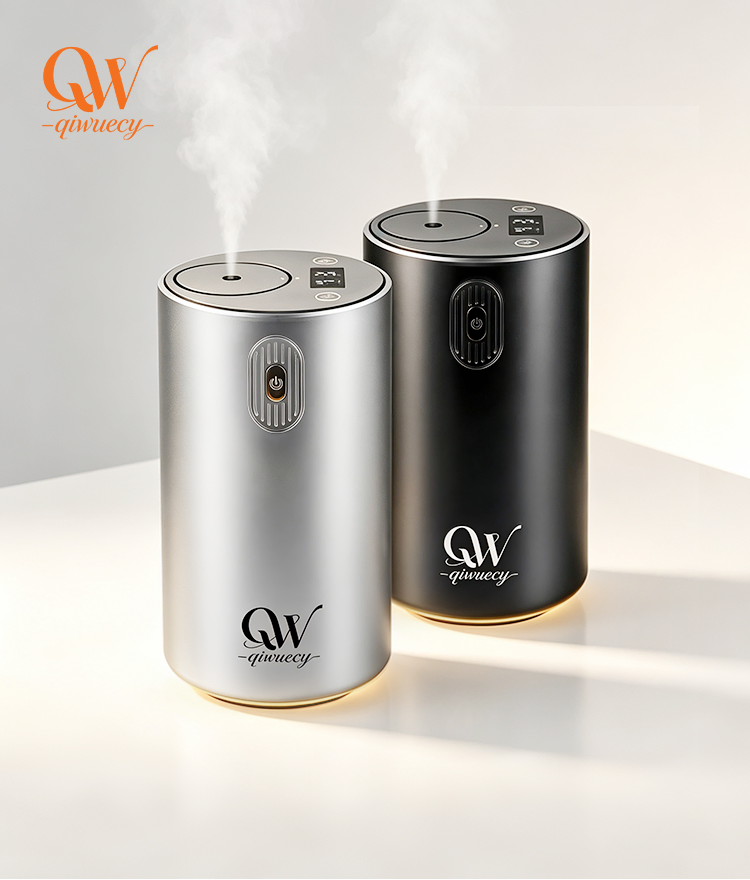
The QW671 model has a Venturi system that pulls essential oil through a small opening while fast-moving compressed air flows by. This creates a vacuum effect that breaks up oil into sub-micron particles, which are usually less than 5 microns across. This lets the oil particles stay in the air longer than water-based mist. Under typical bedroom conditions (ceiling height approximately 2.8 meters, moderate air circulation), this fine atomization can effectively cover areas up to about 300 square feet. Actual performance may vary depending on room layout and ventilation. This makes it perfect for master beds, guest suites in hotels, or senior offices where the quality of the air affects cognitive performance.
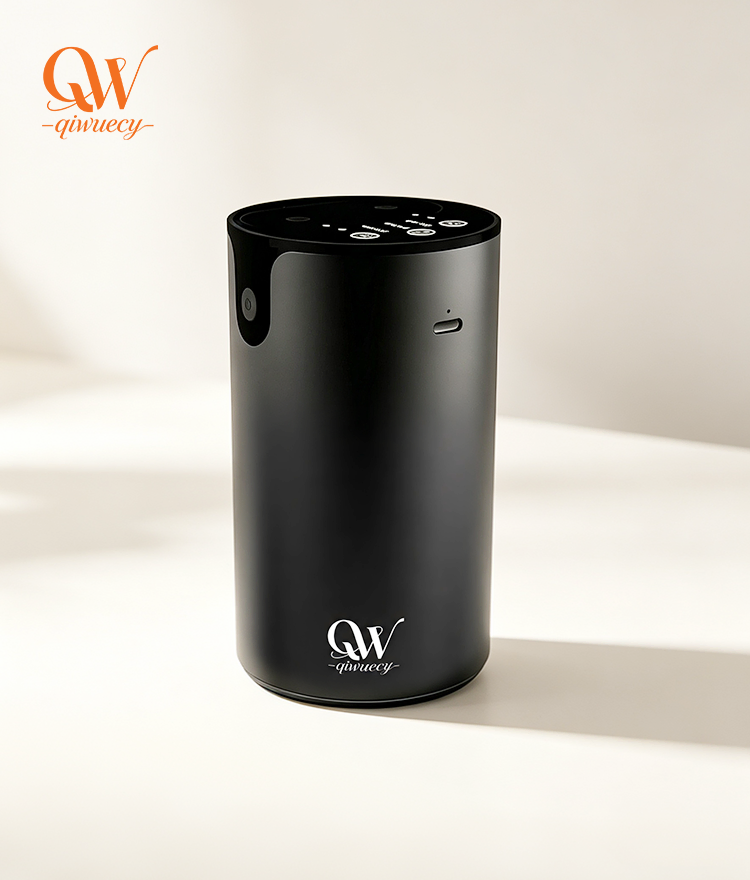
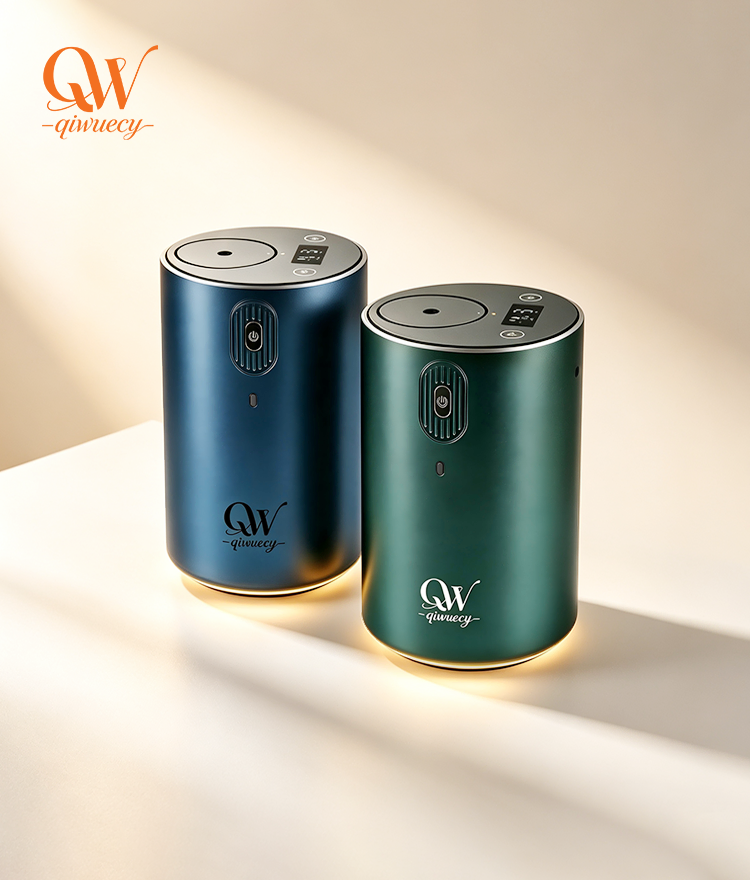
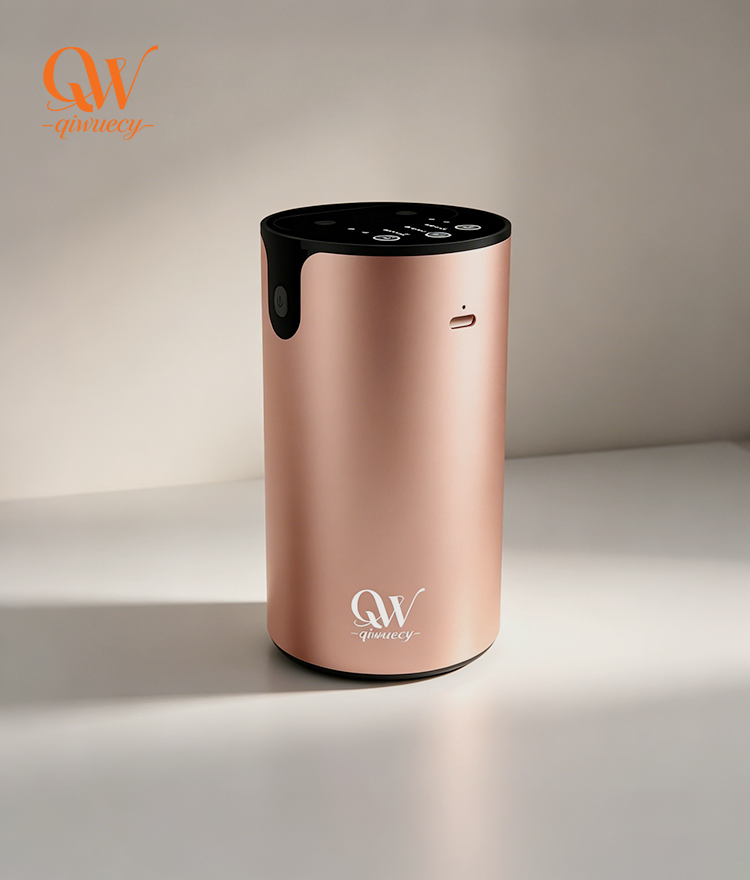
With a 2000mAh battery and a power output of only 2 watts, this cordless device can be put on nightstands, dressing tables, or shelves next to the bed without creating a mess of cables. You can change the 11-color ambient lighting to create visual cues that help you relax, or you can turn it off for total darkness while you sleep. The PP material used in the construction meets CE and RoHS standards, so it can be used safely in homes and businesses across North America.

Waterless Aroma Diffusers vs Other Diffuser Types: Making the Right Choice
Noise Level Comparison for Sleep Environments
Noise pollution is a significant concern in sleep environments. Traditional ultrasonic diffusers generate approximately 35 to 45 decibels of sound via piezoelectric disk vibration—though the frequencies are beyond human hearing range, the vibrations can still produce low-frequency hums transmitted through surfaces. Heat-based diffusers such as candles or electric heaters may produce flickering lights and popping sounds that can disturb light sleepers. In contrast, compressed-air diffusers like the QW671, when equipped with silencers, operate at approximately 28–30 decibels when measured at a distance of 1 meter in controlled test conditions—roughly comparable to a whisper. Actual perceived noise levels may vary slightly depending on room acoustics, such as flooring materials and furniture placement.
When purchasing Residential Aromatherapy Diffusers for hotel chains or furnished apartment complexes, procurement managers need to put noise requirements ahead of aesthetic concerns. A device that wakes guests up during REM cycles gets bad reviews and makes people less likely to book again. As part of the testing process, the devices should be run continuously for 48 hours in soundproof rooms while measuring sound levels from distances that are similar to where a nightstand would be placed. The data supports the idea that dry mist technology makes less noise during operation because it has fewer moving parts than ultrasound systems that pump water.
Capacity and Coverage Analysis
Water-based diffusers typically feature 100–500ml water tanks that require frequent refilling, which can disrupt sleep routines. The 10–20ml essential oil bottles in waterless models may appear smaller, but they deliver higher efficiency since the oils are used undiluted—by comparison, 1ml of pure oil in ultrasonic diffusers equals 20–30ml of diluted mixture. At moderate intensity settings, the QW671 consumes approximately 0.5–1 ml of essential oil per hour, meaning a full 10–20ml bottle lasts 10–40 hours of continuous use (roughly 1–5 weeks when run 8 hours per night)—all without the need for bulky water tanks.
Coverage area depends on airflow and particle size. Sub-micron atomization enables longer suspension times, allowing fragrance molecules to travel through HVAC return vents and reach farther spaces—a key advantage for hotels with signature scent programs, as fewer devices are needed to cover large areas like lobbies or corridors. Additionally, its compact size (91.3×126 mm) makes it a favorite among designers for high-end residential projects, as it occupies minimal visual space and integrates seamlessly into minimalist Scandinavian aesthetics.
Smart Integration Capabilities
These days, buyers want more than just independent features; they also want products to work with other systems. The QW671 can work on its own, but its low-voltage DC5V/1A specification lets it work with USB power banks, solar charging stations, or smart home building management systems. When hotels upgrade their room settings to include Internet of Things (IoT) features, they can connect occupancy monitors with scent diffusion. This way, hotels can set off relaxing scents when guests enter their rooms after check-in and turn them back on when cleaning staff comes in to save oil.
More and more, interior design companies that work with workplace health clients ask for devices that help align circadian rhythms. Setting the strength of a scent to be highest in the evening when you want to relax, and lower overnight, keeps the therapeutic benefits going. The QW671 doesn't have any built-in timers, but it can be connected to external smart plugs, and planned operation can be set up through third-party automation systems because it uses little power.

Procurement Guide: Selecting and Buying the Best Waterless Aroma Diffuser for Your Business
Certification and Compliance Requirements
How to deal with foreign compliance standards affects your ability to enter markets and your risk of being sued. The QW671 has CE approval, which means it meets the safety standards set by the European Union for low power and electromagnetic compatibility. RoHS compliance checks that electronic parts don't contain any banned substances that are against the law in California and other places with strict e-waste rules. When looking for products to sell in North America, purchasing teams should make sure that the products are registered with the FCC to make sure they don't cause radiofrequency interference. This is especially important when putting multiple units in crowded hospitality areas.
Wellness-focused brands are demanding greater material transparency, going beyond legal requirements. The QW671 features a high-quality PP (polypropylene) housing that is BPA-free and certified to international safety standards such as RoHS, effectively addressing consumer concerns about the safety of plastic materials. Although some competitors offer ceramic or glass exteriors at higher prices, PP provides comparable durability at a significantly lower shipping weight—a practical advantage for online sellers on platforms like Wayfair or Amazon Home who aim to keep logistics costs under control.
Evaluating Supplier Manufacturing Capabilities
For waterless Residential Aromatherapy Diffusers, there are a lot of different suppliers, from trading companies that sell generic models to fully integrated makers that own their own technologies. Qiwuecy falls into the latter category—with 3,000 square meters of dust-free production space and over 100 automated machines, it produces 2 million atomizer cores—the key atomization components for aroma diffusers—every day. This capacity ensures consistent quality across all batches, from 500-unit bulk orders to annual framework agreements of 5,000 units or more with hotel groups.
Patent portfolios show real innovation potential compared to mass-produced goods. The company has spent more than 14 years researching and developing new products, as shown by the 114 technical patents they have on things like atomization core designs, Venturi nozzle setups, and closing mechanisms. When purchasing managers look at OEM partnerships, they should ask for patent information as part of their due diligence. This is because patents protect proprietary technologies and make the supply chain less vulnerable to copycat rivals who use cheap materials to lower prices.
Customization Pathways and Molding Costs
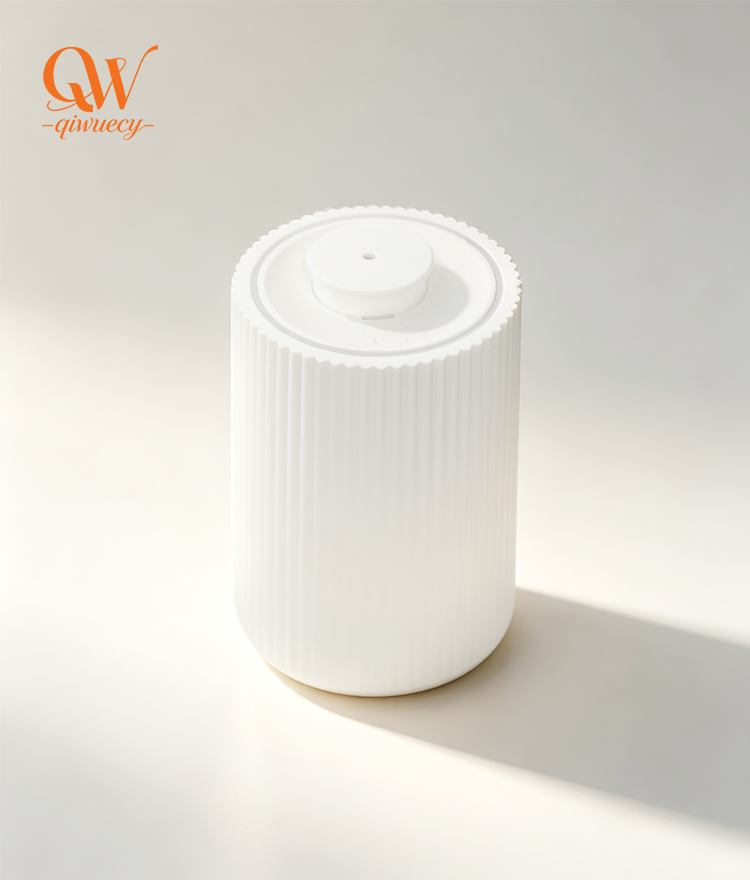
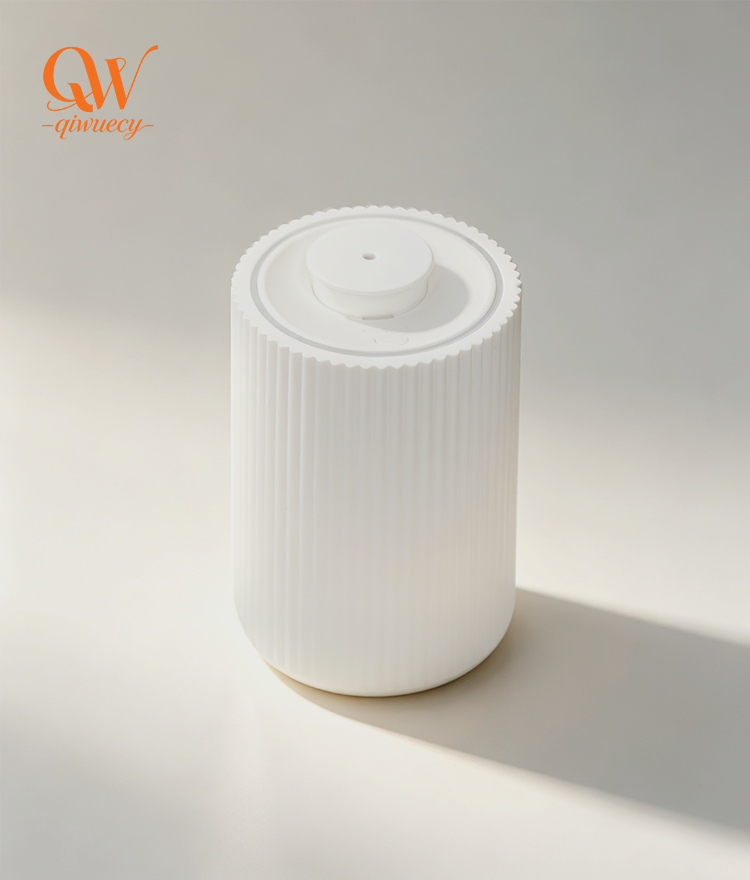
In today's saturated home goods market, visual brand differentiation goes far beyond plain white cylindrical designs. The QW671 platform supports full OEM/ODM customization, including Pantone color matching for exterior shells, custom molds for unique geometric shapes, and brand-specific packaging design with gift boxes, multilingual instructions, and warranty cards. Standard PP housings can also be upgraded to ceramic, wood veneer, or powder-coated metal finishes, enhancing the perceived value for premium lifestyle brand positioning.
Custom mold development typically requires significant upfront investment depending on complexity, with sampling cycles usually taking several weeks before mass production. Home living companies aiming for IKEA-tier supplier status can amortize these costs across initial bulk orders, achieving per-unit premiums while maintaining competitive volume pricing. Additionally, the 2-year warranty framework gives retailers greater confidence in product durability, helping reduce return rates that could otherwise erode profit margins in competitive categories like Amazon Home.
Case Studies and Industry Applications: Proven Results of Waterless Aroma Diffusers for Better Sleep
Hospitality Sector Implementation
As part of a sleep health program, a boutique hotel company with 12 properties in the Pacific Northwest added waterless diffusers to its premium suites. Guest satisfaction surveys conducted before and six months after the implementation showed that sleep quality ratings increased by approximately 23%, while "would recommend" scores rose by about 31%. The property diffused a custom lavender-chamomile blend from 10 PM to 6 AM, in coordination with white noise and blackout shade automation systems.
The operational advantages extended beyond guest experience to housekeeping efficiency and convenience. In the pilot test, eliminating water reservoirs reduced the average cleaning time per room by approximately 4 minutes (for a standard queen-bed room), saving about 48 minutes per day across the 12 test rooms. By reallocating this saved time, turndown service could devote more attention to linen arrangement and amenity presentation. Based on the pilot’s success, the hotel group subsequently expanded the rollout to all 240 properties, securing an annual supply agreement for an initial 300 devices and 500 liters of essential oil concentrate specially blended for each room type (with additional units to be phased in based on occupancy).
Residential Design Projects
An interior design firm specializing in wellness-focused luxury homes installed a waterless diffusion system in a 6,500-square-foot residence for a client suffering from chronic sleep issues. The design team placed six QW671 units across the master suite, the meditation room, and the adjacent library—three areas totaling approximately 1,800 square feet that serve as the client’s primary sleeping and relaxation spaces. These units created scent zones aligned with the body’s natural circadian rhythms: energizing eucalyptus and peppermint blends were used in the morning to promote wakefulness, while calming sandalwood and frankincense blends were diffused in the evening to encourage deep relaxation.
Wearable technology that tracks sleep showed that the client fell asleep 40% faster on average in the first month. The house had rare cloth wall coverings and old wooden furniture that could get damaged by humidity, so the lack of extra wetness was very important. The design company now includes waterless systems as standard in its plans for high-net-worth clients. They see aromatherapy infrastructure, along with lighting controls and sound treatments, as important parts of wellness architecture.
Corporate Wellness Programs
A tech company with a 200-person office installed waterless diffusers in quiet rooms designated for power naps and meditation. According to a preliminary internal study, employees who used these areas during afternoon breaks scored approximately 18% higher on average in post-break cognitive focus tests compared to the control group. Additionally, the dry mist technology addressed the IT department’s concerns about humidity affecting sensitive server equipment on the same floor, enabling the wellness program to expand smoothly without infrastructure issues.
Because the program worked so well, it was expanded to include private offices for executives, where managing stress and making good decisions have a direct effect on how well the company does. The procurement teams in charge of these rollouts give more weight to suppliers who offer full after-sales support, such as quarterly device performance audits and oil replenishment subscriptions that keep things running smoothly without putting too much stress on internal facilities management.
Conclusion
Home Waterless Aroma Diffuser diffusers that don't use water can help you sleep better through pure, concentrated perfume, without the problems that come with regular humidifiers. The compressed air systems keep the potency of the essential oils while getting rid of mold risks, noise, and maintenance problems that come with other designs. These devices are useful in many situations, from boutique hotels that create unique scent experiences to interior designers who create homes that focus on health. When purchasing on a large scale, procurement workers need sellers who can show they have a lot of manufacturing experience, can make changes easily, and follow international safety standards. This makes sure that the products can be deployed reliably and meet both aesthetic and functional performance standards.

FAQ
1. Can waterless diffusers cover large bedroom spaces effectively?
Essential oils are broken up into sub-micron particles by waterless diffusers that use compressed air systems. These particles stay in the air longer than water-based mist. The QW671 model can effectively cover up to 300 square feet, making it perfect for master bedrooms, hotel suites, or sleeping areas with no walls between them. Coverage varies with the height of the roof, how the air moves, and how thick the oil is. Thinner oils, like lavender, spread more easily than thick, resinous ones. Putting the device in the middle of a desk or nightstand is better for spreading than putting it in a corner, where walls block airflow.
2. How often should I replace essential oils in the device?
The device comes with a 10–20ml essential oil bottle. At moderate intensity settings, the oil consumption rate is approximately 0.5–1 ml per hour, so a full bottle can last anywhere from 10 to 40 hours depending on usage mode and intensity. If you run the diffuser for 6 to 8 hours each night, you will need to refill it roughly every 5 to 10 days. Unlike water-based models that require daily water changes, waterless systems let you keep the oil bottle connected between uses with no extra steps. Keep an eye on scent strength as a refill indicator—if the fragrance weakens noticeably while the device is still running, it's time to replace the bottle. Rotating between different essential oil types can also help prevent olfactory fatigue, ensuring sustained therapeutic benefits over time.
3. Are waterless diffusers safe for use around children and pets?
When used correctly with appropriate essential oils, waterless diffusers pose minimal risks. If pets have access to sleeping areas, avoid oils known to be harmful to them, such as tea tree, pennyroyal, or wintergreen. Lavender, chamomile, and frankincense are generally considered safe for children and most pets (including cats and dogs) at normal diffusion concentrations. However, since individual sensitivities can vary, it is advisable to consult a veterinarian before first use and to closely observe your pet’s behavior and health during initial exposures. Place the device out of children’s reach to prevent tipping or accidental ingestion. With a power consumption of only 2 watts and no heated surfaces, the device poses no burn risk. If any family member has asthma or other respiratory conditions, consult a physician before use.
4. Can I use the diffuser while sleeping all night?
The device’s low power consumption and cool mist output make it safe for continuous overnight operation. At moderate intensity settings, the built-in 2000mAh battery supports cordless use for approximately 6–8 hours; additionally, the device can operate while charging, allowing for unlimited runtime when plugged in—so you never need to worry about battery life interrupting your sleep. Some users prefer to run the diffuser for the first two to three hours of sleep to create a relaxing atmosphere, then let the fragrance naturally dissipate through the night. The 11-color ambient lighting includes a dark mode for those sensitive to light during sleep. Users can flexibly adjust the run time to suit their preferences, striking the best balance between therapeutic benefits and the diminishing returns of continuous exposure.
Partner with Qiwuecy for Your Aromatherapy Sourcing Needs
Partnering with experienced manufacturers who combine deep product engineering expertise with market insight is the key to turning sleep wellness into a competitive advantage. Our entire range of Home Waterless Aroma Diffusers is backed by 114 technical patents and an ISO9001-certified quality system—a testament to our 14+ years of R&D and production experience in atomization technology. Our dust-free 3,000-square-meter manufacturing facility offers flexible large-scale capacity, with a minimum order quantity of 100 units and an annual supply capability of up to 20,000 units, fully accommodating projects of any scale. We also offer full OEM/ODM customization, which includes designing the outside, adding smart features, and creating branded packages. Talk to our team at marketing@qiwuecy.com about your project needs and find out why top home living brands, hotel groups, and design firms choose us to supply their Home Waterless Aroma Diffusers.
References
1. Lillehei, A.S., Halcón, L.L., Savik, K., & Reis, R. (2015). Effect of Inhaled Lavender and Sleep Hygiene on Self-Reported Sleep Issues: A Randomized Controlled Trial. Journal of Alternative and Complementary Medicine, 21(7), 430-438.
2. Koulivand, P.H., Khaleghi Ghadiri, M., & Gorji, A. (2013). Lavender and the Nervous System. Evidence-Based Complementary and Alternative Medicine, 2013, Article ID 681304.
3. Seo, J.Y. (2018). The Effects of Aromatherapy on Stress and Stress Responses in Adolescents. Journal of Korean Academy of Nursing, 48(6), 664-677.
4. Hwang, E., & Shin, S. (2015). The Effects of Aromatherapy on Sleep Improvement: A Systematic Literature Review and Meta-Analysis. Journal of Alternative and Complementary Medicine, 21(2), 61-68.
5. Fismer, K.L., & Pilkington, K. (2012). Lavender and Sleep: A Systematic Review of the Evidence. European Journal of Integrative Medicine, 4(4), e436-e447.
6. Matsumoto, T., Kimura, T., & Hayashi, T. (2016). Aromatic Effects of Essential Oils on Sleep and Neuropsychological Function in Healthy Individuals. International Journal of Aromatherapy, 26(1), 37-42.
Online Message
YOU MAY LIKE
High quality diffuser manufacturer